
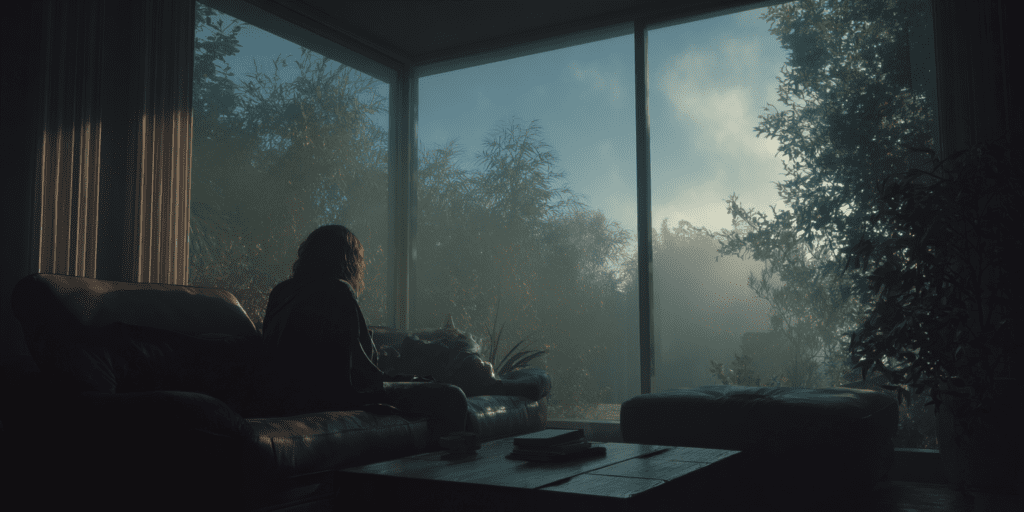
Most people breathe inside. They wake up inside. They work inside. They eat inside. They sleep inside. EPA data says Americans spend 93% of their time indoors. That leaves just 7% outside. Our ancestors spent almost all their time outdoors. They hunted, gathered, walked, and rested under the open sky. We stay inside. We believe this change matters more than most people realize.
Our Ancestors Lived Outside
Before houses and offices, humans were outside from sunrise to sunset. They walked miles every day. They breathed fresh air. Their skin felt sun and wind. Feet touched the ground. The Hadza people in Tanzania still do this today. They spend 6 hours or more outside every day. The San in Botswana spent 7 to 9 hours foraging and hunting. We believe this is the normal way humans lived for hundreds of thousands of years.
Today we live in sealed buildings. Air gets recycled. Windows stay closed. We breathe the same air over and over. We believe this is a big shift. The body evolved with moving air. Now it gets still air. Many people feel the difference when they spend more time outside.
Why Indoor Air Is Different
Outdoor air moves. Wind brings fresh oxygen. Sunlight and plants help clean it. Indoor air stays put. Doors and windows are closed. Air gets recycled through HVAC systems. Pollutants build up. We believe this is why indoor air is often 2 to 5 times more polluted than outdoor air (EPA data).
Common things in indoor air include carbon dioxide from breathing, chemicals from paint and furniture, dust from carpets, and tiny particles from cooking. These build up slowly. You do not notice them right away. But many people feel tired, foggy, or low-energy indoors. We believe stagnant air is one reason.
Carbon Dioxide: The Quiet Problem
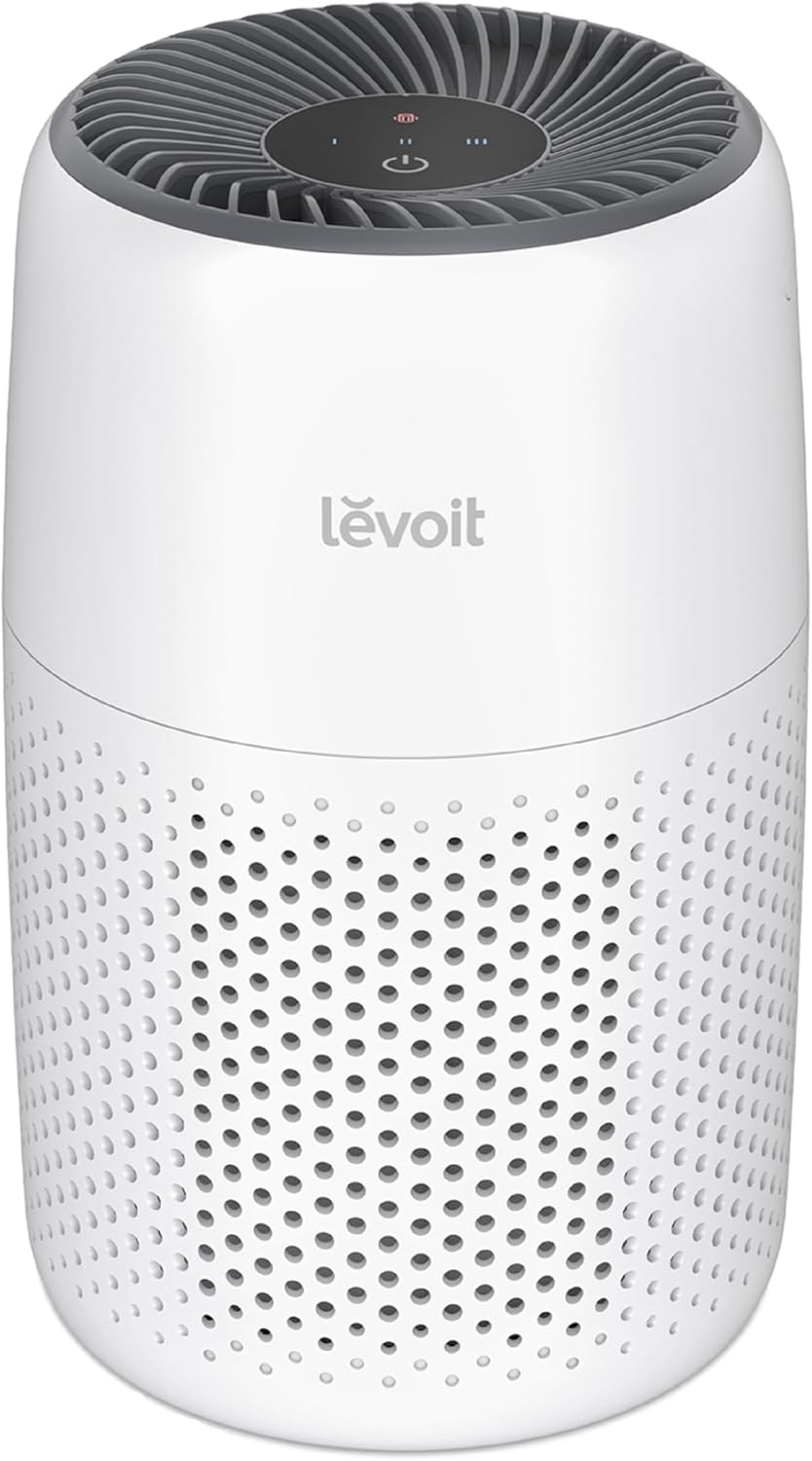
Outdoor air has about 400 parts per million of carbon dioxide. Many indoor spaces reach 1,000 ppm or more. Some offices and bedrooms hit 2,000 to 3,000 ppm. Studies show higher CO₂ indoors links to slower thinking, more tiredness, and headaches. You do not feel like you are suffocating. You just feel dull. We believe many people call this “burnout” when it is really the air.
Sleep and Indoor Air
Sleep happens indoors. Bedrooms are often the most sealed room. Doors closed. Windows closed. Two people breathing all night. Studies show better airflow during sleep improves rest. People wake up more alert. Our ancestors slept with moving air. Even cold air. We trap warm, stale air. We believe this is one reason many wake up tired.
Vitamin D and Indoor Living
Sunlight makes vitamin D in your skin. Ancestors got it daily. Modern people get little. CDC data shows many Americans have low vitamin D. Hunter-gatherers had high levels. We believe indoor living is the main reason. Low vitamin D links to lower energy and mood. We believe this is another cost of staying inside.

Movement and Fresh Air
Our ancestors moved outside. They walked barefoot. They climbed. They carried. Indoor life means sitting on chairs. Walking on carpet. Exercising on mats. Many people who spend more time outside notice better posture and more energy. We believe fresh air and natural movement work together.
Simple Ways to Get More Outdoor Time
You do not need to live in a tent. Small changes help. Many people start here.
- Morning walks: 15–30 minutes outside at sunrise
- Lunch outside: Eat on a bench or in a park
- Barefoot time: Walk on grass or dirt daily
- Work breaks: Step outside for 5–10 minutes every hour
- Weekend time: Hike, garden, or play outside
Quick Comparison: Indoor vs Outdoor Living
| Factor | Indoor Living | Outdoor Living | What Many Notice |
|---|---|---|---|
| Time Spent | 93% | 7% | Less energy |
| Vitamin D | Low | High | Better mood |
| Air Quality | 2–5× worse | Fresh | Feels clearer |
| Movement | Sitting | Walking, climbing | Stronger body |
What We Think
We believe indoor living is one of the biggest modern changes. We spend 93% of our time inside, while our ancestors were outside all day. The data shows lower vitamin D, poorer mood, worse air quality, and less movement. We believe this shift is important. Getting outside more is simple. It feels right. The ancestors lived it. We can too.
What have you noticed with more outdoor time? Share in the comments. We are interested in real patterns.
Related Reading:
FAQ
How much time outside is enough?
Start with 30–60 minutes daily. Many notice better energy with consistent outdoor time.
Is indoor air really bad?
EPA says it is 2 to 5 times more polluted than outdoor air. We believe fresh air makes a difference.
Can I get enough vitamin D indoors?
Very little. Windows block UVB. We believe outdoor sun is the best source. Otherwise supplement with vitamin D3
Sources & References
- EPA (2023). Report on indoor air quality.
- Pontzer, H. (2012). Hunter-gatherer energetics and human obesity. PLOS One.
- Luxwolda, M. F., et al. (2012). Traditionally living populations in East Africa have high vitamin D status. British Journal of Nutrition.
- Holick, M. F. (2007). Vitamin D deficiency. New England Journal of Medicine.
- General patterns from indoor vs outdoor living research literature (PubMed, 2010–2025).
(Always refer to primary sources and experiment for yourself. No medical advice provided.)
Leave a Reply