
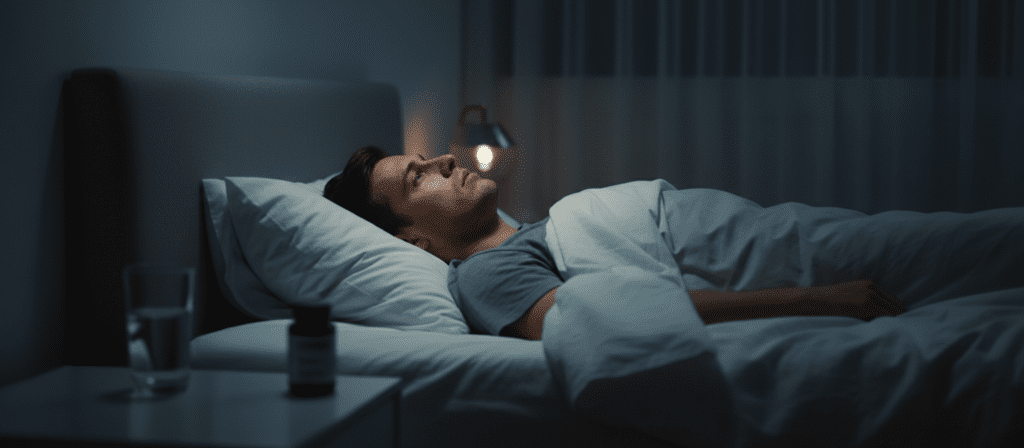
Magnesium is a mineral your body needs to relax.
Many people take magnesium to help with sleep, muscle soreness, and feeling calm at night. Some people feel better right away. Others feel nothing.
Most of the time, the problem isn’t magnesium itself. It’s the type.
Different magnesium supplements work in different ways. Some help the body relax. Others mostly help digestion. If you take the wrong kind, you may not notice much change.
Why Magnesium Helps With Sleep and Recovery
Magnesium helps your body slow down.
It helps:
- Your muscles relax
- Your nerves calm down
- Your brain switch into rest mode
- Your body recover after a long day or hard workout
When magnesium is low, the body can stay tense. This can make it harder to fall asleep, stay asleep, or feel rested in the morning.
Exercise, stress, and sweating all use up magnesium. Many modern diets don’t provide enough, which is why supplements can help.
Why Some Magnesium Supplements Don’t Help
Many magnesium supplements don’t work well because:
- The body can’t absorb them easily
- The amount is too small
- The type isn’t meant for sleep
One common type, magnesium oxide, is cheap and easy to make. But the body doesn’t absorb it well. It often helps digestion more than sleep.
If magnesium ever made your stomach upset or did nothing at all, the type was likely the issue.
The Magnesium Types That Actually Matter
Here are the main types that people use for sleep and recovery.
Magnesium Glycinate

This is one of the most popular types for sleep.
It combines magnesium with glycine, which helps the body feel calm.
Helpful for:
- Trouble relaxing at night
- Light or restless sleep
- General muscle recovery
This is a good place to start for most people.
Magnesium Threonate

This type reaches the brain more easily.
It is often used when the mind feels busy at night.
Helpful for:
- Racing thoughts
- Feeling mentally “on” at bedtime
- Stress-related sleep trouble
It usually comes in smaller doses and costs more.
Magnesium Citrate
This type is absorbed well but can loosen stools at higher amounts.
Some people tolerate it just fine. Others don’t.
Helpful for:
- General magnesium support
- People who don’t get stomach issues from it
Magnesium Oxide
This type is common but not ideal for sleep.
The body absorbs very little of it. It often works more like a laxative.
If sleep is the goal, this is usually not the best choice.
How Magnesium Helps the Body Recover
Recovery isn’t just about muscles. It’s also about the nervous system.
Magnesium helps the body move from “go mode” into “rest mode.”
This can support deeper sleep, calmer evenings, and better energy the next day.
Magnesium works best when evenings are calm and bright lights are reduced.
How to Take Magnesium
- Take it in the evening
- About 1–2 hours before bed
- Start with a smaller amount
- Use it for at least a week before deciding if it helps
Magnesium does not knock you out. It helps the body relax so sleep can happen naturally.
What to Look for When Buying Magnesium
- The type should be clearly listed
- Glycinate or threonate are usually best for sleep
- Few extra ingredients
- A reasonable serving size
The cheapest option is not always the best option.
Recommended Magnesium Types
- Magnesium Glycinate: a simple choice for sleep and recovery View on Amazon
- Magnesium Threonate: helpful when the mind won’t slow down at night View on Amazon
Frequently Asked Questions
How long does magnesium take to work?
Some people notice changes in a few days. Others need one to two weeks of regular use.
Will magnesium make me groggy?
When taken in normal amounts, it should not cause next-day grogginess.
Can I take magnesium every day?
Many people do. Most well-absorbed forms are gentle when used properly.
Can magnesium fix bad sleep habits?
No. Magnesium helps support sleep, but it cannot fix late nights, bright screens, or constant stress on its own.
Sources
- National Institutes of Health – Magnesium Fact Sheet
- National Library of Medicine – Magnesium and sleep research
- American Academy of Sleep Medicine – Nutrients and sleep
The Bottom Line
Magnesium can help the body relax and recover.
The type matters. Glycinate and threonate tend to work best for sleep.
Used consistently and paired with calmer evenings, magnesium can support better rest and recovery.
Help the body relax. Let sleep do the rest.
Leave a Reply