
I didn’t come to this idea all at once.
It crept in slowly as I kept asking the same question: why do so many people feel tired, anxious, inflamed, and disconnected—despite having more comfort than any humans in history?
We have climate control, endless food, instant entertainment, and machines that do almost everything for us. On paper, we should be thriving.
But when you look around, it’s obvious we’re not.
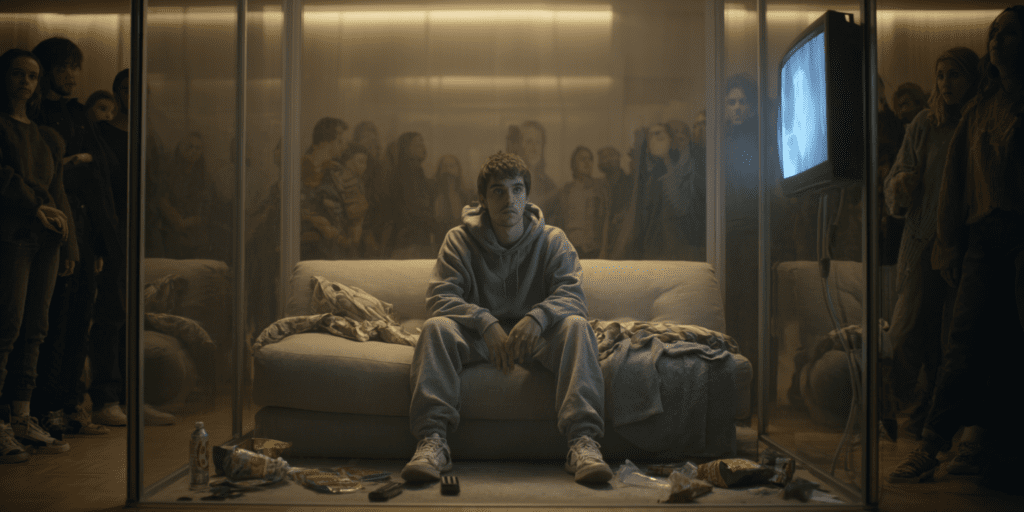
That’s when the zoo analogy clicked for me.
Animals Don’t Thrive in Zoos—They Survive
Zoos are designed with good intentions. Animals are fed. They’re protected. They’re kept safe.
But they don’t thrive.
You can see it in the pacing, the repetitive behaviors, and the dullness behind the eyes. The animal is alive, but something essential is missing.
It isn’t broken.
It’s out of its natural environment.
The more I learned about human biology, the harder it became to ignore how similar our situation is.
Comfort Isn’t the Same as Health
Modern life is incredibly comfortable.
We don’t need to move much. Food is always available. Temperature is controlled. Hardship is optional.
But comfort has quietly replaced the signals our bodies evolved to respond to.
Movement. Hunger. Sunlight. Cold. Heat. Real food.
These weren’t stressors. They were information.
When those signals disappear, the body loses its sense of regulation.
We Removed the Struggle—and the Meaning
Early humans didn’t exercise. They moved because survival required it.
They didn’t diet. They ate what was available and nutrient-dense.
They didn’t chase comfort. Comfort came after effort.
Challenge wasn’t something to avoid. It was built into life.
Today, we try to recreate these signals artificially—through hacks, supplements, routines, and rules—while ignoring the environment that removed them in the first place.
Ultra-Comfort Creates Chronic Confusion
This is where a lot of modern health confusion comes from.
We feel off, so we assume something is wrong with us.
But what if the issue isn’t the body?
What if the issue is that we’re animals living in an environment we didn’t evolve for?
Artificial light at night. Ultra-processed food. Constant stimulation. Sitting all day. Eating without hunger.
These aren’t personal failures. They’re environmental mismatches.
The Body Isn’t Fragile—It’s Misplaced
The human body is resilient.
If it weren’t, we wouldn’t have survived ice ages, famine, and constant physical demand.
What we see today isn’t weakness.
It’s misplacement.
Just like zoo animals haven’t forgotten how to be animals, humans haven’t forgotten how to be healthy. The signals are just drowned out.
Food Is One of the Clearest Examples
This is where things finally started to make sense for me.
The more complicated food rules became, the worse people seemed to feel.
Early humans didn’t debate macros. They ate foods that delivered energy, nutrients, and satiety.
Animal foods did that efficiently.
Protein to build and repair. Fat for steady energy. Organs for micronutrients.
Plants were part of the picture, but animal foods anchored the diet because they solved the hardest nutritional problems.
Today, we eat foods engineered for convenience and stimulation—and then wonder why appetite and energy feel dysregulated.

Reintroducing the Wild Signals We Were Built For
One thing that kept showing up as I studied evolution is this: early humans didn’t need motivation.
Life itself demanded engagement.
Movement wasn’t optional. Sunlight wasn’t avoidable. Hunger came and went naturally. Purpose was built into survival.
We’ve engineered those signals out of our lives. And in doing so, we’ve removed the very challenges that once gave us energy, confidence, and direction.
The answer isn’t punishment or extremes. It’s reintroducing enough challenge to remind the body and mind what they’re capable of.
Getting Outside Isn’t a Luxury—It’s a Requirement
Humans evolved outdoors.
Our eyes expect sunlight. Our skin expects wind and temperature change. Our nervous system expects space and depth.
When we stay indoors under artificial light, something quietly shuts down.

Getting outside doesn’t need to be dramatic.
- Walking without headphones
- Feeling cold air in the morning
- Letting sunlight hit your eyes
- Moving over uneven ground
These experiences wake something up.
They remind the body it’s alive.
Eating Foods That Feel Like Fuel
Another thing that became obvious to me was how different real food feels.
Animal-based foods are grounding. They satisfy hunger completely.
They don’t hijack appetite. They calm it.
When you eat foods your body recognizes, food stops dominating your thoughts.
That mental quiet is powerful.
Challenge Creates Confidence
One of the biggest lies of modern life is that ease equals happiness.
Meaning comes from doing hard things—by choice.
Cold water. Carrying weight. Long walks. Training with intention.
These experiences build confidence because they prove something to yourself.
They rebuild trust between your mind and body.
We Thrive When We Earn Our Comfort
Rest feels deeper after effort.
Food tastes better after hunger.
Sleep improves after daylight and movement.
Early humans didn’t chase comfort. They earned it.
We don’t need to copy their lives—but we can recreate the signals that made those lives work.
The Wild Spirit Is Still There
The drive to move, explore, build strength, and overcome resistance didn’t disappear.
It’s under-stimulated.
When people reconnect with it—through real food, sunlight, movement, and challenge—they often feel the same thing:
More energy. More confidence. More clarity.
Not because life got easier.
But because it started to feel real again.
The Bottom Line
Modern humans aren’t broken.
We’re safe—but disconnected from the conditions that shaped us.
Like animals in a zoo, we survive comfortably while something deeper fades.
The way forward isn’t ideology or extremes.
It’s simplicity. Intuition. And respecting the biology that got us here.
We don’t need to escape modern life. We just need to remember that we’re animals.
Leave a Reply