
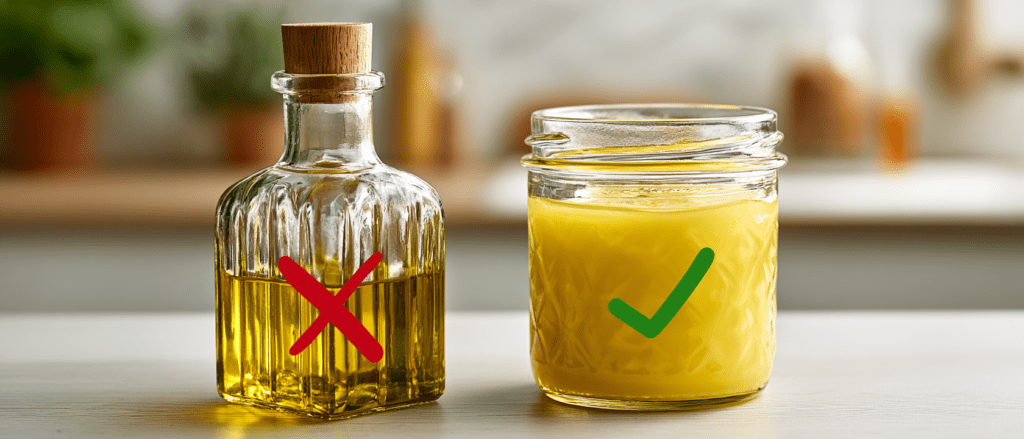
I used to be that person.
You know the one—proudly displaying my $35 bottle of extra virgin olive oil on the counter like it was liquid gold. I’d pour it generously into my pan every morning, convinced I was doing something incredibly healthy for my body. Avocado oil for high-heat cooking? Check. Olive oil for “medium” heat? Check. I had it all figured out.
Or so I thought.
Then I learned what those oils were actually doing inside my body when exposed to heat. And everything changed.
If you’re still cooking with olive oil or avocado oil, thinking you’re making the smart, health-conscious choice—I need you to hear this. Because what I discovered about these “healthy” oils completely transformed not just my kitchen, but my health, my inflammation levels, and the way I think about fat forever.
My Wake-Up Call: When “Healthy” Oils Weren’t So Healthy
Let me take you back to 2022.
I was doing “everything right”—or at least, everything the mainstream nutrition world told me to do. I avoided saturated fat like the plague. I bought organic, cold-pressed, extra virgin everything. My pantry looked like a Whole Foods commercial.
But I was also dealing with:
- Chronic joint inflammation
- Afternoon energy crashes
- Stubborn belly fat that wouldn’t budge
- Brain fog that made simple tasks feel overwhelming
- Skin issues that flared up unpredictably
I blamed stress. I blamed aging. I blamed everything except the one thing I was doing multiple times a day: cooking with unstable oils that were literally oxidizing in my pan before they even touched my food.
Then I stumbled across research on lipid peroxidation and aldehydes. I learned about linoleic acid and omega-6 overload. And suddenly, all those “heart-healthy” bottles in my kitchen looked less like wellness essentials and more like ticking time bombs.
What Actually Happens When You Heat Olive Oil (The Science They Don’t Tell You)
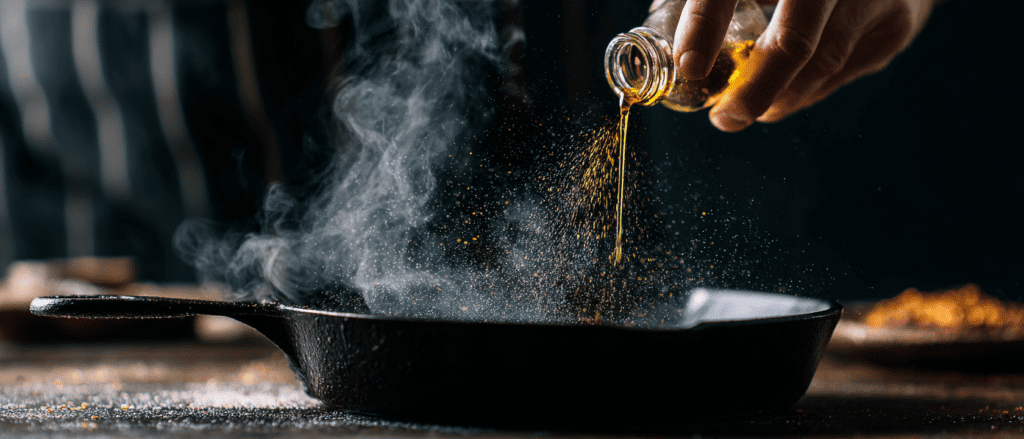
Here’s the thing about olive oil that nobody wants to admit: it’s fragile as hell.
Olive oil is predominantly monounsaturated fat, which means it contains double bonds in its molecular structure. Those double bonds sound harmless—maybe even beneficial. But when you introduce heat, oxygen, or light, those bonds become incredibly unstable.
And when they break down? They form compounds called:
- Aldehydes (toxic byproducts linked to cancer and neurological disease)
- Lipid peroxides (inflammatory compounds that damage cell membranes)
- Free radicals (unstable molecules that cause oxidative stress throughout your body)
In other words: you’re not cooking with olive oil. You’re cooking with a chemical reaction that’s slowly destroying your cells, meal after meal, day after day.
The Smoke Point Myth That’s Killing Your Health
“But avocado oil has a smoke point of 520°F! It’s perfect for high-heat cooking!”
I used to say this too. And it’s technically true—avocado oil won’t start visibly smoking until it hits around 520°F. But here’s what the marketers won’t tell you:
Oxidation starts LONG before you see smoke.
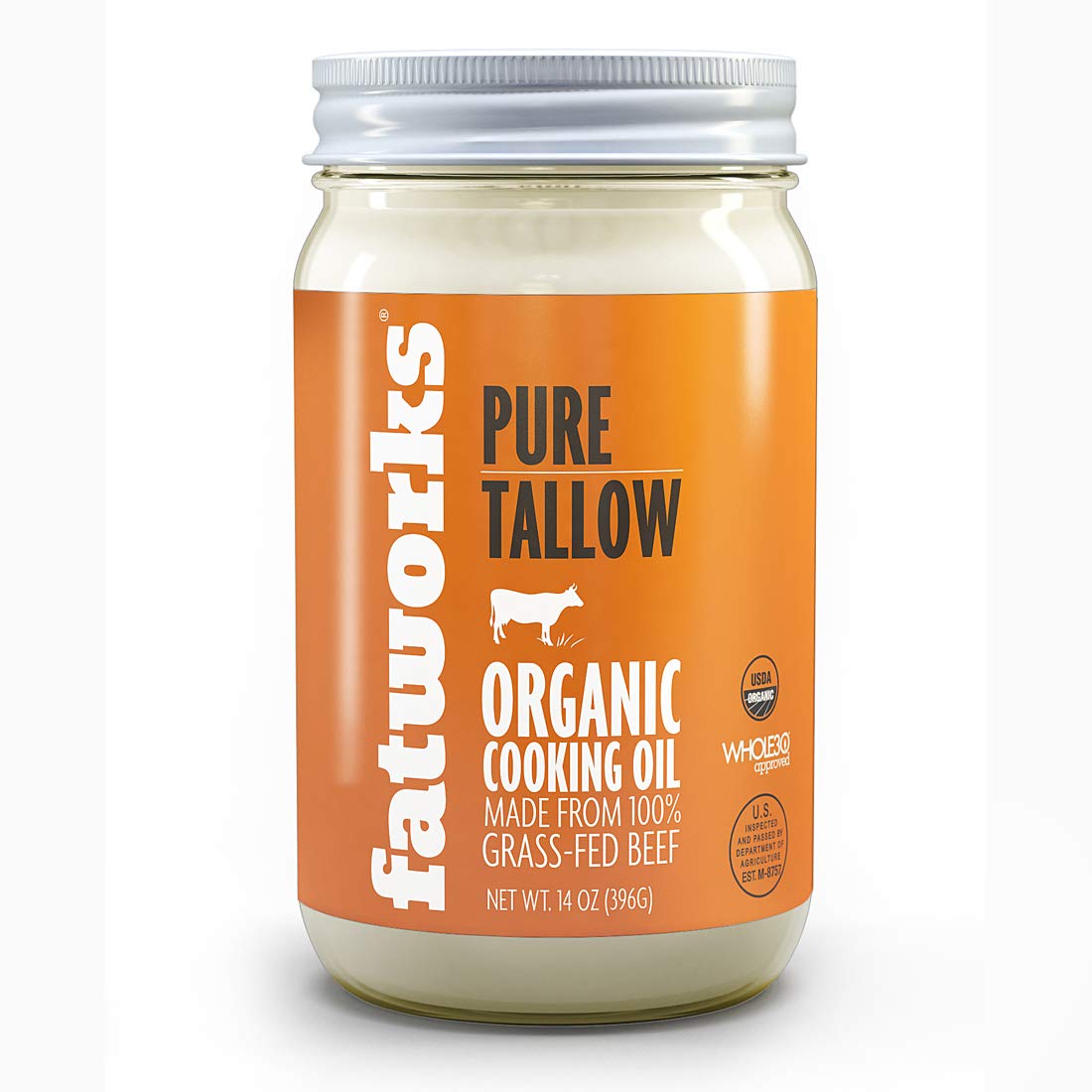
Fatworks Organic Beef Tallow is made from 100% grass-fed, grass-finished, pasture-raised beef suet sourced from small U.S. family ranches. Non-hydrogenated and preservative-free, it’s packaged in a glass jar and suitable for Whole30, Keto, Paleo, and Carnivore lifestyles. Known for its rich flavor, it’s a versatile traditional fat for cooking and other uses.
Smoke point is just the temperature at which a fat starts to visibly break down. But molecular damage—the kind that matters for your health—begins much earlier. By the time you see smoke, you’re way past the point of no return.
The real question isn’t “How hot can I heat this oil before it smokes?”
The real question is: “How chemically stable is this fat under heat, light, and oxygen exposure?”
And for monounsaturated and polyunsaturated oils? The answer is: not stable enough.
Linoleic Acid: The Hidden Villain in Your Kitchen
Let’s talk about something most people have never even heard of: linoleic acid.
Linoleic acid is an omega-6 polyunsaturated fatty acid. And it’s everywhere—in seed oils, vegetable oils, and yes, even in avocado oil (about 13% of its composition).
Here’s why that matters:
Omega-6 Overload Is Wrecking Your Health
Our ancestors consumed omega-6 to omega-3 fatty acids in roughly a 1:1 or 2:1 ratio. Today? The average American is consuming them at a ratio of 20:1 or even 30:1. That’s not a typo.
This massive omega-6 overload is driving:
- Chronic inflammation
- Cardiovascular disease
- Metabolic dysfunction
- Autoimmune conditions
- Hormonal imbalances
And when you heat oils high in linoleic acid? You’re not just getting too much omega-6—you’re getting oxidized omega-6, which is exponentially more inflammatory.
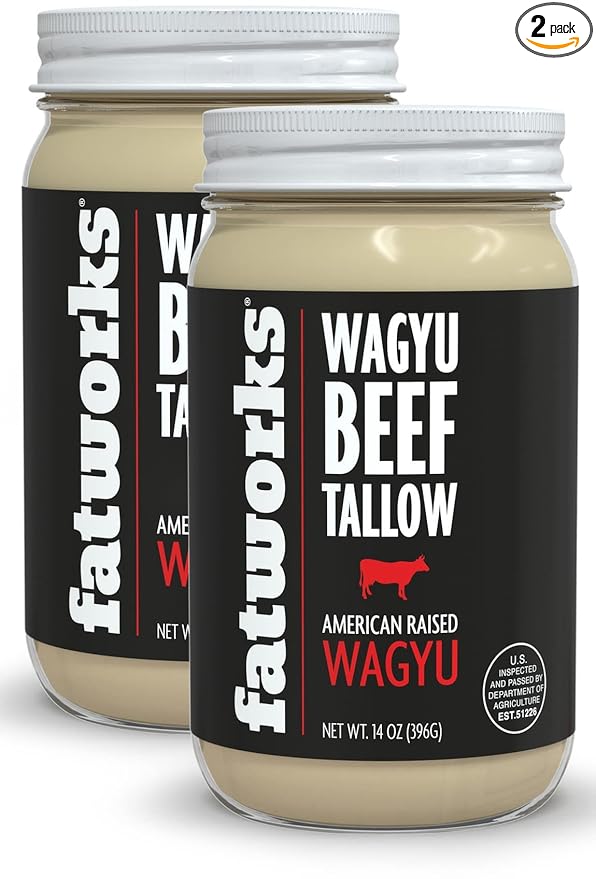
Fatworks American Wagyu Beef Tallow is artisanally rendered in small batches for rich flavor and a smooth, buttery texture. Never bleached, deodorized, or hydrogenated, it’s compatible with Paleo, Keto, Carnivore, and Whole30 lifestyles. Ideal for grilling, roasting, frying, and baking, this tallow is sourced from U.S. farms and crafted for quality and taste.
The Linoleic Acid Storage Problem
Here’s something that terrified me when I learned it: linoleic acid gets stored in your body fat for YEARS.
Unlike other fats that get used for energy relatively quickly, linoleic acid accumulates in your adipose tissue and cell membranes. And because it’s so unstable, it continues to oxidize inside your body long after you’ve consumed it.
Think about that. Every time you cook with seed oils, vegetable oils, or even “healthy” avocado oil, you’re not just eating oxidized fat—you’re storing oxidized fat that will continue damaging your cells for months or even years.
That’s not a health food. That’s a liability.
How I Got Fooled (And How You’re Being Fooled Too)
I want to be honest about something: I felt stupid when I realized the truth about cooking oils.
I’d been reading labels. I’d been buying organic. I’d been spending extra money on “high-quality” olive oil from Italy and Spain. I thought I was informed.
But the marketing is incredibly sophisticated. We’ve been conditioned to believe:
- “Heart-healthy” monounsaturated fats are always good (they’re not, when heated)
- Saturated fat causes heart disease (it doesn’t—that’s been debunked)
- Olive oil is the foundation of the healthy Mediterranean diet (true—but they use it RAW, not heated)
- High smoke point = safe for cooking (completely misleading)
The truth is, we’ve been sold a lie by the vegetable oil industry for decades. And that lie has cost us our health.
The Mediterranean Diet Deception
“But Mediterranean people are healthy and they use olive oil!”
Yes. And here’s what they DON’T do: heat it to 400°F in a frying pan every single day.
Traditional Mediterranean cuisine uses olive oil:
- Drizzled raw over finished dishes
- In salad dressings
- As a dip for bread
- Added AFTER cooking, not during
They cook with lard, tallow, and butter—just like every other traditional culture before the industrialization of food.
The modern American interpretation of the Mediterranean diet—where we sauté, fry, and roast everything in olive oil—is a complete bastardization of what actually made those populations healthy.
What You Should Actually Cook With (The Fats That Won’t Destroy Your Health)
After my wake-up call, I completely overhauled my kitchen. Out went the olive oil. Out went the avocado oil. And in came the fats that humans have been cooking with for thousands of years—the ones that are actually stable under heat.
Here’s what I use now, and what you should be cooking with too:
1. Grass-Fed Beef Tallow: The Ultimate Cooking Fat

Fatworks Grass-Fed Beef Tallow is made from 100% grass-fed, grass-finished beef suet sourced from sustainable U.S. family ranches. Non-hydrogenated, preservative-free, and USDA tested, it’s packaged in glass and valued for its rich flavor and versatility in cooking and other traditional uses.
Why I love it: Beef tallow is 50% saturated fat, which makes it incredibly heat-stable. It’s also rich in:
- Vitamins A, D, E, and K
- Conjugated linoleic acid (CLA), which actually fights inflammation
- Stearic acid, a saturated fat that your body converts to oleic acid (the same “healthy” fat in olive oil—but stable)
Best for: High-heat cooking, frying, roasting vegetables, searing steaks
Where to get it: I render my own from grass-fed beef fat (suet), but you can buy it from brands like Fatworks or Epic. It’s cheaper than you think.
Taste: Rich, savory, makes everything taste like it came from a steakhouse
2. Butter & Ghee: Nutrient-Dense Powerhouses

This lactose- and casein-free ghee is made from grass-fed, pasture-raised cows, primarily sourced from New Zealand. It has a rich, buttery flavor, replaces other cooking fats 1-for-1, is shelf-stable, seed-oil free, and compatible with Keto, Paleo, Whole30, Gluten Free, and FODMAP lifestyles.
Why I love it: Butter from grass-fed cows is loaded with fat-soluble vitamins, especially K2 (critical for bone and heart health). Ghee is clarified butter—meaning the milk solids are removed, making it even more heat-stable and safe for those with dairy sensitivities.
Best for: Medium-heat cooking, sautéing, baking, finishing dishes
Where to get it: Good Raw Grass-Fed Butter or Fourth & Heart ghee
Taste: Creamy, rich, slightly nutty (especially ghee)
3. Coconut Oil: The Tropical Fat

This organic, cold-pressed coconut oil is a versatile staple for both kitchen and personal care. Naturally moisturizing, it can be used for skin and hair or for cooking and baking with a high smoke point of 350°F. USDA-certified organic, non-GMO, and compatible with Keto and Paleo lifestyles.
Why I love it: Coconut oil is about 90% saturated fat, making it extremely stable. It’s also high in medium-chain triglycerides (MCTs), which your body can use for quick energy instead of storing as fat.
Best for: Baking, light sautéing, Asian-inspired dishes, smoothies
Where to get it: Any grocery store—just make sure it’s unrefined and organic
Taste: Subtle coconut flavor (great for certain dishes, not ideal if you want neutral)
4. Duck Fat & Lard: The Ancestral Fats
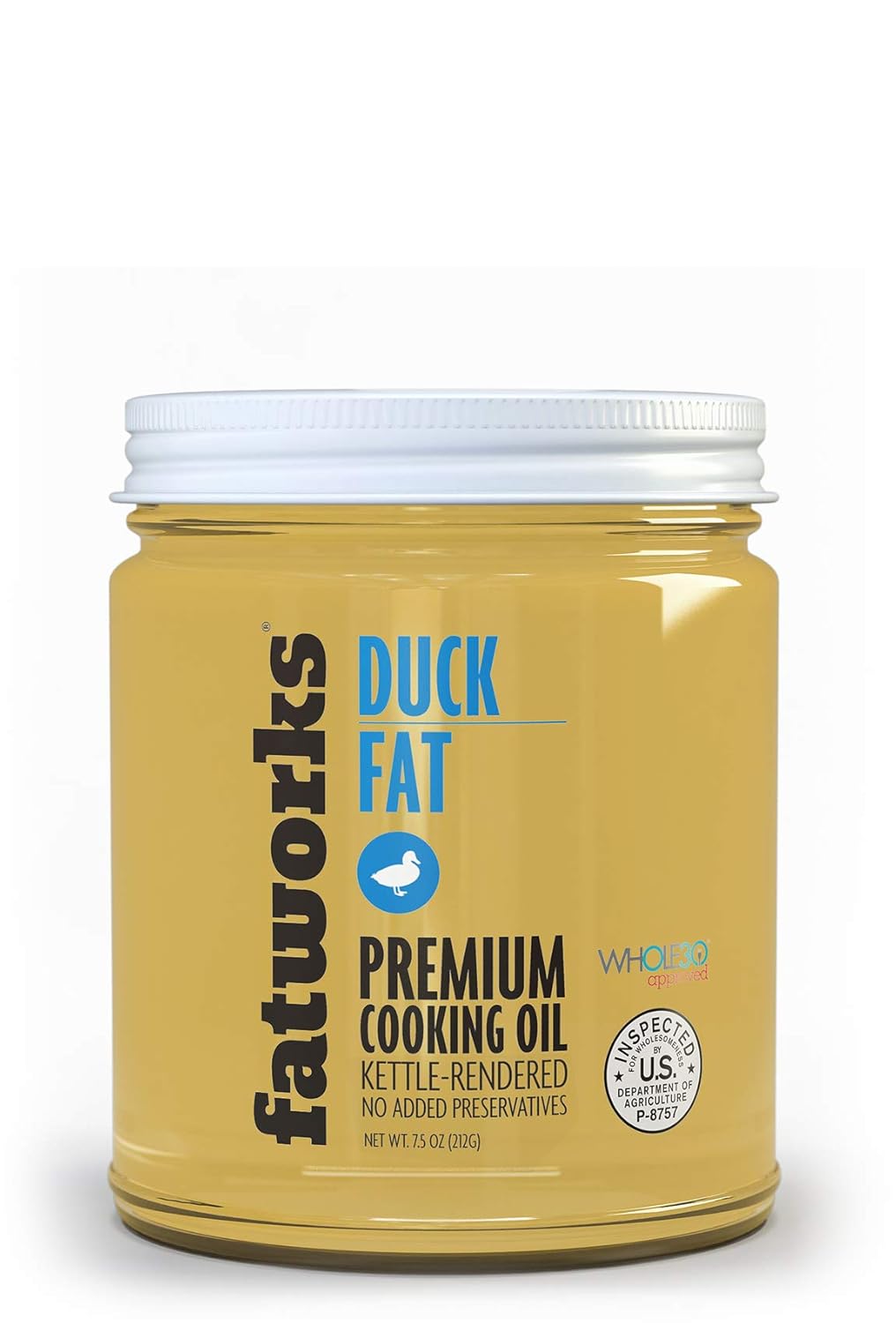
Fatworks Duck Fat is USDA-approved and sourced from cage-free, antibiotic- and hormone-free ducks from small U.S. farms. Free from preservatives, it offers rich flavor for roasting, searing, frying, and confit-style cooking. Compatible with Keto, Paleo, Carnivore, and Whole30 lifestyles.
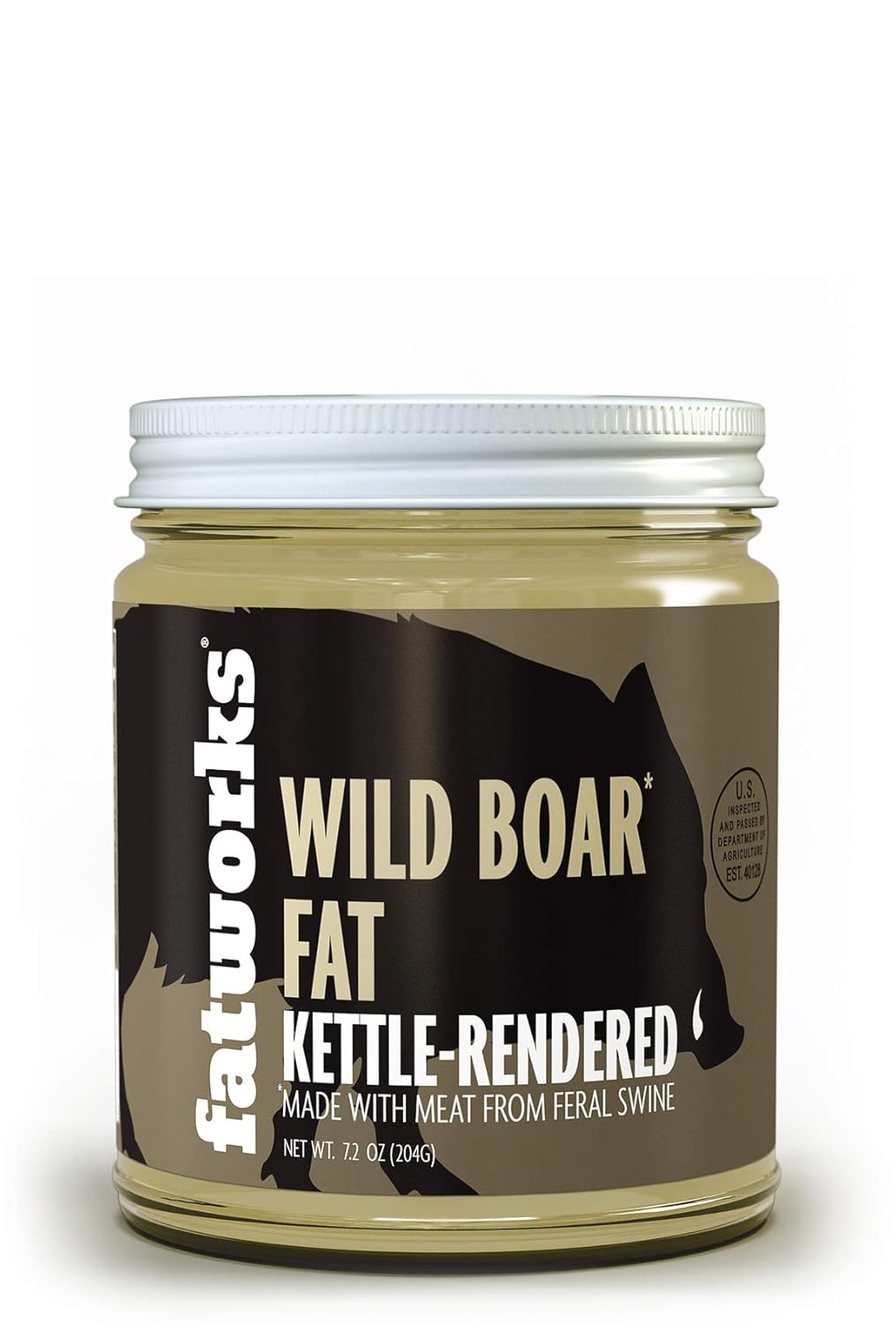
Fatworks Wild Boar Lard is sourced from wild, non-farmed boars in the U.S., offering a distinct flavor and unique fat profile. Free from artificial ingredients, preservatives, hormones, and antibiotics, it’s crafted as an alternative to industrial seed oils. Suitable for Keto, Paleo, Carnivore, and Whole30 lifestyles.
Why I love them: Both are incredibly stable, nutrient-dense, and have been used for thousands of years. Duck fat is particularly prized in French cooking for good reason—it makes vegetables taste incredible.
Best for: Roasting vegetables, frying potatoes, cooking eggs
Where to get them: Specialty stores, online, or save and render your own from pasture-raised pork or duck
Taste: Rich, savory, deeply satisfying
5. Tallow from Other Animals (Lamb, Bison)
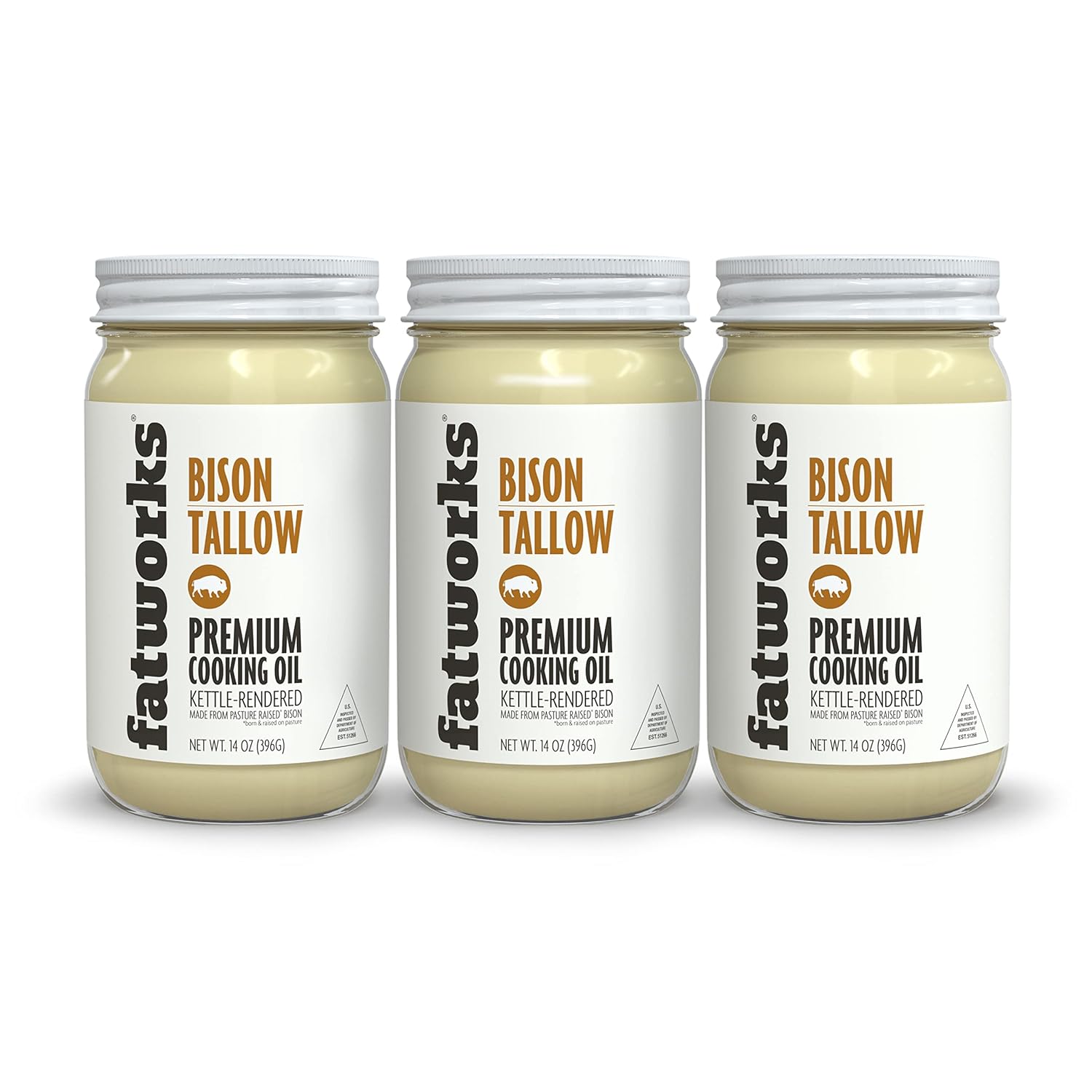
Fatworks Bison Tallow is made from 100% pasture-raised bison sourced from sustainable U.S. family ranches and crafted in small batches. Preservative-free, USDA inspected, and packaged in glass, it offers a mild, rich flavor and is suitable for Keto, Paleo, Whole30, and other traditional uses.

Fatworks Lamb Tallow is made from 100% grass-fed, grass-finished lamb sourced from sustainable U.S. family ranches. Non-hydrogenated, preservative-free, and USDA tested, it’s packaged in glass and valued for its rich flavor and versatility in cooking and traditional uses.
Why I love it: Same benefits as beef tallow, with slightly different flavor profiles depending on the animal.
Best for: Experimenting with different flavors in high-heat cooking
Where to get it: Specialty butchers, online retailers like US Wellness Meats
So What About Olive Oil? (It’s Not Evil—Just Misunderstood)
Here’s the thing: I didn’t throw out my olive oil.
I just moved it out of the kitchen and into the pantry.
Olive oil is GREAT—when used correctly. That means:
- Drizzled over salads (raw)
- Used in salad dressings and vinaigrettes (raw)
- Finished over cooked steak or fish (after cooking, not during)
- As a dip for sourdough bread (raw)
- In cold sauces like pesto or aioli (raw)
When olive oil is raw and cold-pressed, it’s loaded with:
- Polyphenols (antioxidants)
- Oleic acid (anti-inflammatory when NOT oxidized)
- Vitamin E
But the moment you heat it—even at medium temperatures—those benefits start degrading. The polyphenols break down. The monounsaturated fats oxidize. You lose everything that made it healthy in the first place.
Bottom line: Olive oil is a finishing oil, not a cooking oil. Treat it accordingly.
And Avocado Oil? Same Story.
Avocado oil has been marketed brilliantly as the “high-heat” alternative to olive oil. But chemically, it’s not much better:
- Still predominantly monounsaturated (unstable when heated)
- Contains about 13% linoleic acid (omega-6)
- Oxidizes under heat despite its high smoke point
- Often highly processed and refined (stripping away nutrients)
Save your money. Use it raw if you must, but don’t cook with it.
The Health Changes I Noticed After Switching (And What You Can Expect)
I’m not going to lie and say switching my cooking fats cured everything overnight. But within about 6-8 weeks, I noticed some pretty dramatic changes:
Week 2-3:
- Energy felt more stable throughout the day
- Less afternoon crashes
- Clearer thinking, less brain fog
Week 4-6:
- Joint pain significantly reduced (especially in my knees)
- Skin started clearing up
- Digestion improved
Week 8+:
- Noticeable fat loss and Leaness, especially around my midsection and face
- Better workout recovery
- Overall inflammation Decreased
Was it JUST the cooking oils? Probably not—I was eating better overall. But removing a daily source of oxidized fats absolutely played a major role.
The Bigger Picture: Why This Matters More Than You Think
This isn’t just about what you cook your eggs in.
This is about cumulative oxidative stress that builds up over years and decades.
Every time you cook with unstable oils, you’re:
- Introducing oxidized fats into your bloodstream
- Forcing your liver to process toxic byproducts
- Stressing your mitochondria (your cellular energy factories)
- Promoting systemic inflammation
- Storing linoleic acid in your body fat for YEARS
Over time, this shows up as:
- Chronic diseases (heart disease, diabetes, cancer)
- Autoimmune conditions
- Hormonal imbalances
- Accelerated aging
- Cognitive decline
Your body is resilient—until it’s not. And by the time you notice the damage, you’ve been accumulating it for years.
Your Action Plan: How to Make the Switch Today
I know this can feel overwhelming. So let’s make it simple.
Step 1: Stop Buying Unstable Oils
No more:
- Olive oil for cooking (keep one bottle for raw use only)
- Avocado oil
- Canola oil, vegetable oil, corn oil (throw these out immediately)
- Grapeseed oil, sunflower oil, safflower oil (all garbage)
Step 2: Buy One Stable Fat This Week
Start with just one:
- Grass-fed beef tallow
- Grass-fed butter or ghee (my top recommendation)
- Coconut oil
- Lard
Get comfortable with it. Learn how it cooks. Notice how your food tastes.
Step 3: Use Olive Oil Only for Raw Applications
Keep your nice olive oil. Just stop heating it. Use it for:
- Salad dressings
- Drizzling over finished dishes
- Dips
Step 4: Gradually Expand Your Stable Fat Arsenal
Once you’re comfortable with one, add others:
- Duck fat for special occasions
- Lard for everyday cooking
- Different tallow varieties for flavor variety
Step 5: Read Labels Like Your Life Depends on It
Because it kind of does. Avoid restaurants and packaged foods that cook with:
- “Vegetable oil” (usually soybean oil)
- Canola oil
- Sunflower oil
- Any oil labeled “high oleic” (marketing BS)
Common Questions I Get (And My Honest Answers)
“Isn’t saturated fat going to clog my arteries?”
No. This myth has been thoroughly debunked. The original studies that demonized saturated fat were fundamentally flawed and influenced by the sugar industry. Modern research shows saturated fat from whole food sources doesn’t cause heart disease—oxidized oils and excess sugar do.
“But butter is so expensive!”
Grass-fed butter costs about $6-8 for a pound. You’ll use less of it than you think. And compared to the cost of chronic disease, medications, and doctor visits? It’s the cheapest health insurance you’ll ever buy.
“What if I can’t afford grass-fed?”
Conventional butter and tallow are still FAR better than cooking with seed oils or heating olive oil. Get the best quality you can afford, but don’t let perfect be the enemy of good.
“Can I still eat out at restaurants?”
Yes, but be strategic. Ask what they cook with. Request butter or tallow if available. Choose restaurants that prioritize quality ingredients. And accept that you can’t control everything—just do your best.
“Doesn’t coconut oil have a low smoke point?”
Refined coconut oil has a smoke point around 400°F, which is plenty for most cooking. But remember: smoke point isn’t everything. Coconut oil is saturated and stable, so even if it gets hot, it’s not oxidizing like olive oil would.
The Bottom Line: Stop Poisoning Yourself Three Times a Day
Look, I get it. Changing your cooking fats sounds like such a small thing. It doesn’t feel revolutionary.
But here’s what I know after making this switch: the fats you cook with either fuel your body or fight against it. There’s no middle ground.
Every time you heat olive oil, avocado oil, or any seed oil, you’re choosing inflammation over stability. You’re choosing oxidized compounds over nutrients. You’re choosing short-term convenience over long-term health.
I’m not going to tell you that switching to beef tallow will cure cancer or make you immortal. But I will tell you this: removing oxidized fats from your diet is one of the single most impactful changes you can make for your long-term health.
It worked for me. It’s worked for thousands of others who’ve made the switch. And it’ll work for you too.
So go ahead. Throw out that bottle of avocado oil. Move your olive oil to the pantry. And start cooking with fats that your great-great-grandparents would actually recognize as food.
Your mitochondria will thank you. Your inflammation levels will thank you. And your future self—10, 20, 30 years from now—will thank you.
Sources & Further Reading
- Saladino, P. (2020). The Carnivore Code: Unlocking the Secrets to Optimal Health by Returning to Our Ancestral Diet. Victory Belt Publishing.
- Knobbe, C. (2019). Research on ancestral dietary practices and industrial seed oils. Diseases of Civilization: The Blind Spot.
- Ghosh, S., et al. (2018). “Lipid peroxidation and human health.” Current Opinion in Clinical Nutrition & Metabolic Care, 21(2), 78-84.
- Grootveld, M., et al. (2017). “Thermal degradation of cooking oils: Formation of potentially toxic aldehydic lipid oxidation products.” Food Chemistry, 227, 498-505.
- DiNicolantonio, J.J., & O’Keefe, J.H. (2018). “Omega-6 vegetable oils as a driver of coronary heart disease: the oxidized linoleic acid hypothesis.” Open Heart, 5(2).
- Ramsden, C.E., et al. (2016). “Re-evaluation of the traditional diet-heart hypothesis: analysis of recovered data from Minnesota Coronary Experiment (1968-73).” BMJ, 353.
- Saladino, P. (Podcast). “Why You Should Never Cook with Olive Oil.” Fundamental Health with Paul Saladino.
- Teicholz, N. (2014). The Big Fat Surprise: Why Butter, Meat and Cheese Belong in a Healthy Diet. Simon & Schuster.
Ready to make the switch? Start with one jar of grass-fed beef tallow or ghee this week. Cook one meal with it. Notice the difference. Your body—and your taste buds—will never look back.
Have questions about cooking with traditional fats? Drop a comment below and I’ll answer them personally.
Leave a Reply