

You spend about one-third of your life sleeping.
That means for years at a time, your head, neck, and face are pressed into the same pillow for hours every night.
What you sleep on matters.
Yet most people spend more time choosing a phone case than they do choosing a pillow—despite the fact that poor sleep and neck pain quietly affect energy, recovery, focus, and mood every single day.
A good pillow supports natural alignment. A bad one creates tension, poor posture, and broken sleep. And many modern pillows are made with materials that were never meant to be breathed in night after night.
Why Pillow Choice Matters More Than People Think
Sleep is when the body repairs tissue, resets the nervous system, and recovers from daily stress.
If your head and neck are out of alignment for hours at a time, the body never fully relaxes. Muscles stay tense. Sleep becomes lighter. You wake up stiff or sore.
This isn’t just uncomfortable—it affects recovery.
Over time, poor sleep posture can contribute to neck pain, shoulder tightness, headaches, and restless sleep.
The Hidden Problem With Most Modern Pillows
Many pillows today are made from synthetic foams, chemical flame retardants, and petroleum-based materials.
Some off-gas odors. Others trap heat. Some lose shape quickly and offer no real support.
You don’t need to be alarmist to recognize a simple truth: if you’re breathing through your nose into a pillow for hours every night, material quality matters.
Choosing cleaner, more stable materials is a practical decision—not a trend.
What a Good Pillow Should Actually Do
A pillow should:
- Keep your neck in a neutral position
- Support the natural curve of your spine
- Reduce muscle tension during sleep
- Stay cool and breathable
- Hold its shape over time
It should not force your head forward, collapse under pressure, or trap excessive heat.
Best Pillow Types for Sleep and Neck Recovery
Cervical Pillows

Cervical pillows are designed to support the natural curve of the neck.
They often have a contoured shape that cradles the head while keeping the neck aligned with the spine.
Helpful for:
- Neck pain or stiffness
- Side or back sleepers
- Waking up sore or tight
These work best when the height matches your body and sleeping position.
Natural Materials & Latex Pillows
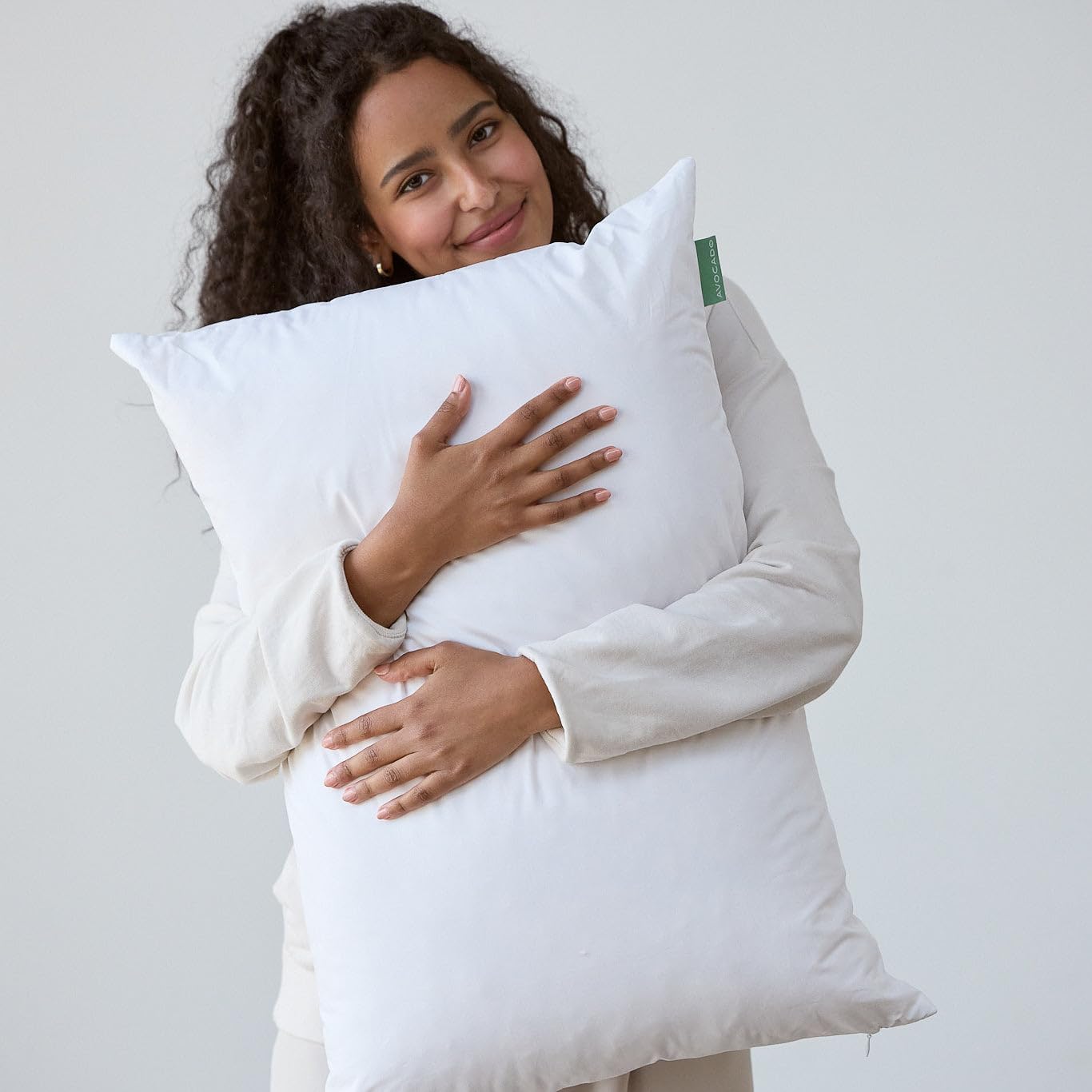
Natural latex pillows are more breathable and durable than most synthetic foams.
They tend to hold their shape well and offer consistent support throughout the night.
Helpful for:
- People who sleep hot
- Those looking to avoid synthetic foams
- Long-term durability
Latex has a slightly firmer feel, which some people prefer for neck support.
Adjustable Memory Foam Pillows
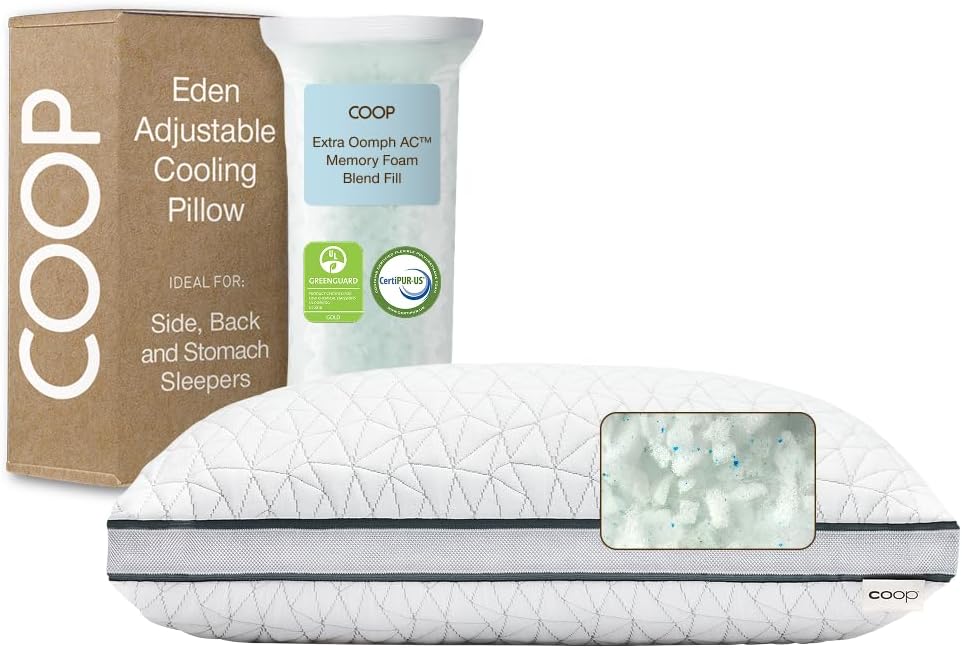
Some memory foam pillows allow you to add or remove filling to adjust height and firmness.
This can be useful for dialing in comfort, especially if you’re not sure what height you need.
Important: Look for options with clear material disclosure and breathable covers.
What to Avoid When Choosing a Pillow
- Strong chemical smells
- Very cheap foam with no material transparency
- Pillows that flatten within weeks
- Overly soft pillows that push the head forward
If a pillow feels good for ten minutes but leaves you sore in the morning, it’s not doing its job.
Recommended Pillow Options (Amazon)
These categories are commonly used for better sleep alignment and neck comfort:
- Cervical contour pillows designed for neck support View on Amazon
- Natural latex pillows for breathable, stable support View on Amazon
- Adjustable memory foam pillows to customize height View on Amazon
No pillow is perfect for everyone. The goal is alignment, comfort, and material quality—not trends.
How Long Should a Pillow Last?
Most pillows should be replaced every 1–3 years, depending on material and wear.
If your pillow no longer supports your neck or has lost its shape, it’s likely hurting sleep more than helping it.
Frequently Asked Questions
Can a pillow really affect sleep quality?
Yes. Neck position and muscle tension directly affect how deeply the body can relax during sleep.
Is a firmer pillow better?
Not always. The right firmness depends on your sleeping position and body size. Support matters more than softness.
Are “cooling” pillows worth it?
Breathable materials matter more than cooling gimmicks. Airflow and moisture control are key.
Should side sleepers use a different pillow?
Yes. Side sleepers usually need a thicker pillow to keep the neck aligned with the spine.
The Bottom Line
You spend years of your life on a pillow.
Choosing one that supports alignment, uses cleaner materials, and actually holds its shape is a practical investment in sleep and recovery.
Better sleep doesn’t come from hacks. It comes from removing things that quietly work against the body.
Support the neck. Let the body rest.
Leave a Reply