
Liver was never just another food. For most of human history, it was the prize. Hunters did not toss it aside or save it for later. In many cultures, it was eaten first, sometimes immediately after a kill. That pattern shows up again and again across continents.
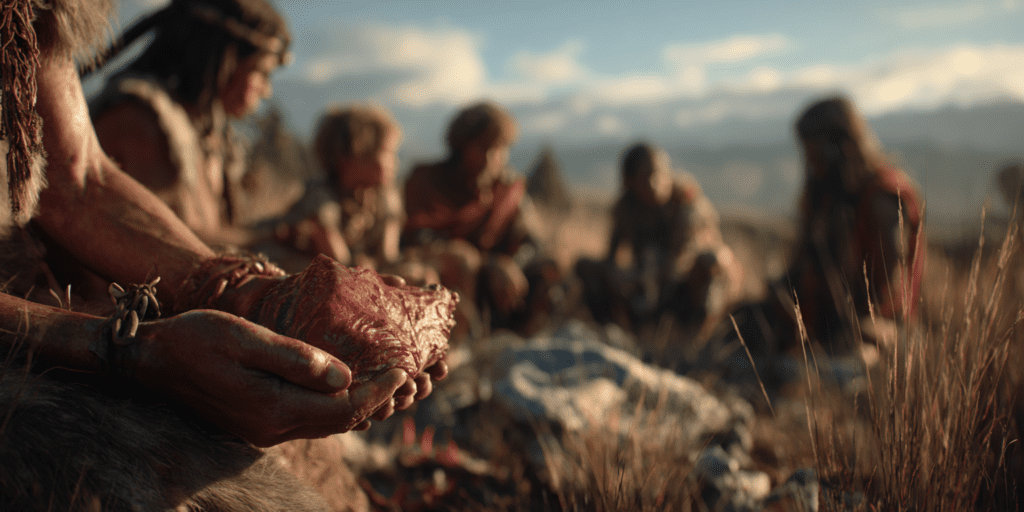
This was not tradition for tradition’s sake. We believe people noticed something about liver long before nutrition labels or supplements existed. Liver earned its place through observation, not theory.
Liver Was Often Eaten First After the Hunt
Ethnographic records describe hunters cutting open an animal and consuming the liver on the spot. This happened among Arctic groups, African tribes, and Indigenous peoples in North America. Liver spoiled quickly, so it made sense to eat it right away. But it was not just about preservation.
The most perishable part of the animal was also treated as the most valuable. When food was scarce and survival mattered, people did not waste what worked.
Some Tribes Reserved Liver for Women and Children
In several traditional societies, liver was intentionally given to women of childbearing age and to children. Elders often decided who received it. This was not random or symbolic.
These groups noticed patterns. Certain foods seemed to support growth and vitality better than others. Liver was not everyday food for everyone. It was targeted food. That alone tells us how highly it was valued.
The Inuit Did Not Waste Organs
The Inuit are often cited because of how fully animals were used. Seal, caribou, and fish were eaten nose to tail. Liver was never discarded.
Historical accounts describe liver being eaten raw or lightly prepared, often shared among the group. Muscle meat provided calories. Organs provided something extra. In extreme environments with limited food variety, every nutrient mattered.
The Maasai Viewed Liver as a strength food.
The Maasai of East Africa traditionally relied on cattle for food. Milk and meat were staples, but organs held special importance.
Liver was eaten during specific times and events and was associated with nourishment and strength. It was not daily food. It was purposeful food. Again, the pattern repeats. Liver was intentional.
Ancient Europeans Ate More Than Muscle Meat
Archaeological evidence from early European farming societies shows that animals were eaten beyond just prime cuts. Residue analysis on pottery suggests fats and tissues beyond muscle meat were cooked and consumed.
This supports what traditional cultures already show. The idea of discarding organs is modern. For most of history, liver was food, not waste.
The Most Nutrient-Dense Food Humans Ate Regularly
Liver contains a wide range of vitamins and minerals in a very small amount of food. That density mattered in a world without constant access to calories.
People did not need large portions. Small amounts went a long way. This is why liver is often described as nature’s multivitamin. Not as a promise. As a description of how much nutrition fits into a small serving.
Why Muscle Meat Alone Was Not Enough
Modern diets focus almost entirely on muscle meat. Steaks. Chicken breasts. Lean cuts.
Historically, animals were eaten nose to tail. Organs balanced muscle meat. They filled gaps muscle alone did not.
When organs disappeared from the diet, food became higher in calories but lower in nutrient density. We believe this shift helped create the modern reliance on fortified foods and supplements.
Why Liver Feels Intimidating Today
Liver tastes strong. The texture is unfamiliar. Most people were never taught how to prepare it.
Food culture changed. Convenience replaced tradition. Organs fell out of favor.
We believe liver feels strange today not because it is unnatural, but because it is no longer normal.
Small Amounts Played a Big Role
One of the most interesting things about liver is how little was needed. Traditional diets did not rely on daily large portions.
Liver acted like nutritional insurance. A small serving provided nutrients that were harder to get elsewhere. This is likely why liver was prioritized even when food was limited.
Why Liver Is Showing Up Again
Today, liver is returning quietly. Not in school lunches, but in ancestral-style diets, organ blends, and desiccated supplements.
This is not nostalgia. It is a response. Many people feel modern diets leave something out. Liver fits naturally into that gap. It does not replace real food. It complements it.
How People Use Liver Today
Most people do not start with large servings of fresh liver. They ease in.
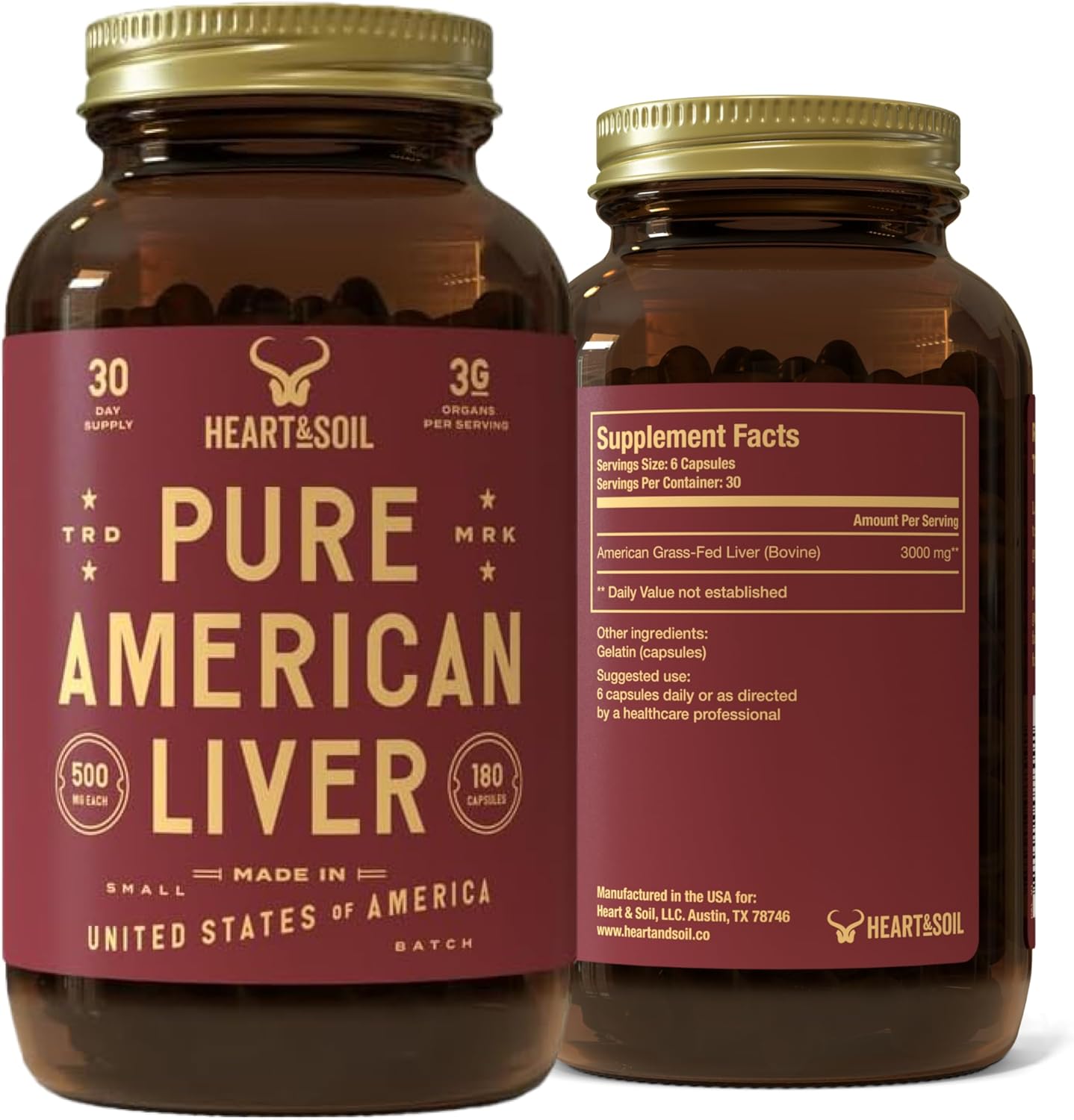
Common approaches include small portions mixed into ground meat, lightly cooked liver, frozen liver pieces, or desiccated liver capsules. These methods reflect the same principle our ancestors followed. Small amounts can matter.
This Is Not About Extremes
Liver is not magic. It does not fix everything. It does not need to be eaten daily.
We believe its value comes from how concentrated it is and how consistently it appeared in ancestral diets. Removing it entirely is modern. Including it occasionally is traditional.
What We Think
Liver earned its reputation slowly. Not through marketing, but through lived experience. Across climates and cultures, people treated liver differently. They ate it first. They shared it carefully. They did not waste it.
Calling liver “king” is not hype. It reflects its role. Small in size. Large in impact.
FAQ
Do you need to eat liver every day?
No. Many traditional diets used liver occasionally or in small amounts.
Why was liver eaten first after a hunt?
It spoiled quickly and was seen as especially valuable.
Why did some tribes reserve liver for certain people?
They observed it supported growth and vitality and shared it intentionally.
Is liver only an ancestral food?
No. It appears in many traditional diets across history and geography.
Sources & References
- Speth, J. D. (2010). The Paleoanthropology and Archaeology of Big-Game Hunting.
- Ben-Dor, M., et al. (2021). The evolution of the human trophic level. American Journal of Physical Anthropology.
- Cordain, L. (2002). The Paleo Diet.
- USDA FoodData Central: Beef Liver Nutrient Profile.
- Ethnographic records on Inuit, Maasai, and Indigenous North American diets.
This article is for educational purposes only and does not provide medical advice.
Leave a Reply