Last Updated: February 2026
I can taste the difference in water.
As a kid, I’d drink from the garden hose on hot summer days. That water tasted weird. Metallic. Warm. It had a rubber aftertaste from the hose. But I was thirsty. I didn’t care.
Then there’s the water from your kitchen sink. It’s the same tap water, just cleaner pipes. But it still has a taste. A chemical taste. Slight bitterness. A chlorine edge. You stop noticing it when you drink it every day. But once you pay attention, it’s there.
Both are tap water. One just tastes worse because of what it picked up in the hose.
I grew up in a township. Our water came from underground sources called aquifers. When I’d visit friends in the city, their water tasted different. Funkier. More chemical. They didn’t notice because that’s what they drank every day. But I could taste it right away.
City water goes through big treatment plants. That means more processing. More chemicals. More pipes. Township water came straight from the source with less processing.
Then I tried real filtered water. Clean water. Water that tastes like… nothing. Just pure water. No chemical aftertaste. No metallic taste. Just water.
But here’s what I learned: even filtered water isn’t complete.
Your ancestors didn’t drink filtered tap water. They drank from springs and streams. Water that flowed over rocks. It picked up minerals like magnesium and calcium. That water was alive. Full of minerals. Complete.
Modern tap water? Treatment plants strip out the good minerals. Then they add chemicals. Even when you filter it, you’re left with clean but “dead” water. Just H2O and nothing else.
That’s when it hit me.
If water has a taste, something is in it. The hose water tasted bad because of the rubber and outdoor pipes. The sink water tasted chemical because of chlorine and other additives. But real water—spring water flowing over rocks—that’s what your body needs. Clean H2O with minerals picked up naturally.
I was already eating clean. Training hard. Getting good sleep. But I was filling my water bottle from the tap every day. I thought I was doing the right thing.
That’s the problem. You can have the perfect diet. Train like an athlete. Optimize your health. But if you’re drinking poisoned water, you’re hurting yourself.
What’s Actually in Your Water
Your tap water isn’t clean. The government says it’s “safe.” But safe and healthy aren’t the same thing.
Here’s what’s in your water:
Fluoride – They add this on purpose. It builds up in your pineal gland. It messes with your thyroid. It lowers IQ in kids. In 2024, government research confirmed it. A federal judge said current levels “pose a risk” to children. RFK Jr. is now Secretary of Health. He’s pushing to stop adding fluoride to water. Utah and Florida already banned it.
Chlorine – They add this to kill bacteria. But it also kills the good bacteria in your gut. Your gut bacteria control your immune system and mental health.
Lead – This comes from old pipes. It damages your nervous system. Kids are hit the hardest. It causes brain problems, memory issues, and behavior problems.
Microplastics – Tiny plastic bits. Found in 83% of tap water worldwide. Scientists found them in human blood, lungs, and placentas. They mess with your hormones and cause inflammation.
Pharmaceutical Drugs – Birth control hormones. Antidepressants. Antibiotics. People take these drugs and pee them out. Water treatment plants can’t remove them. You’re drinking tiny doses of other people’s medications.
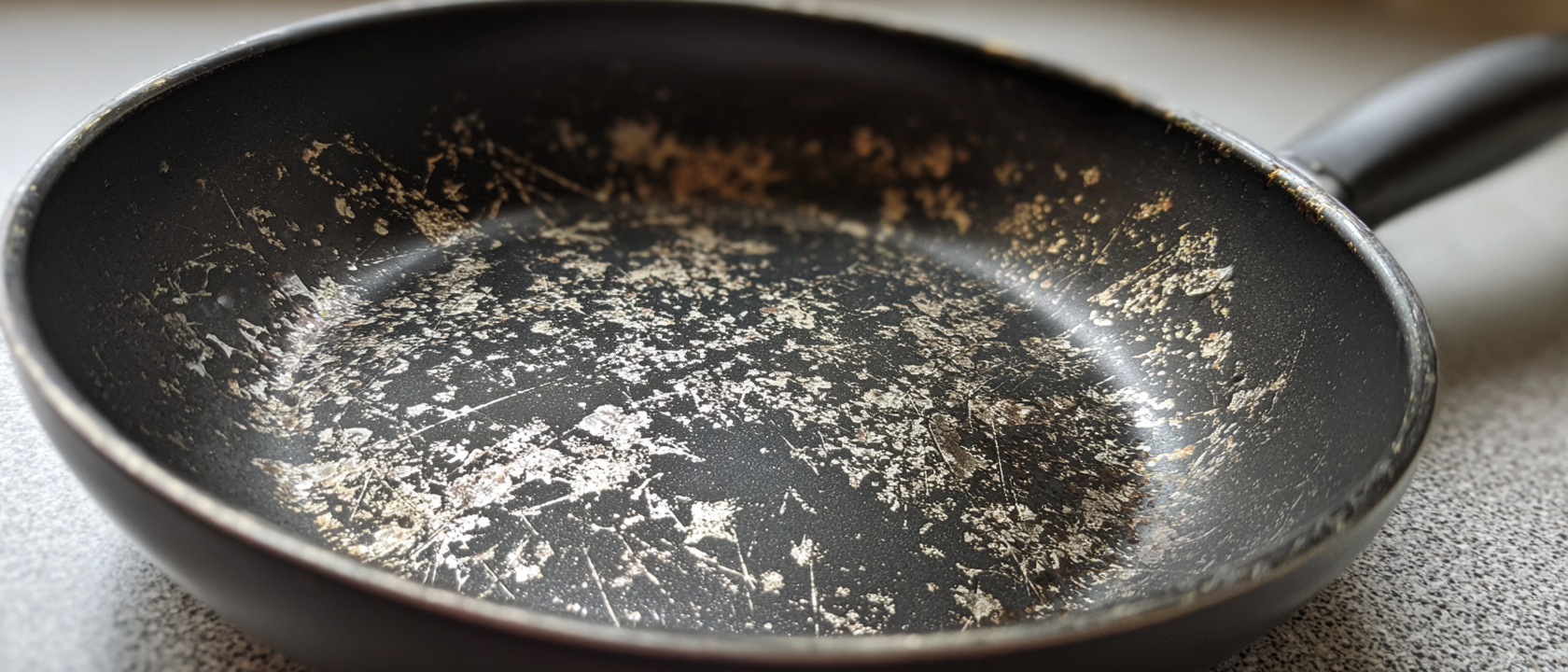
PFAS (Forever Chemicals) – The same chemicals from nonstick pans. They get into water from factories. They never break down. They build up in your organs forever.
The EPA sets “safe” limits. But those limits are based on short-term exposure. Not what happens when you drink this stuff for 30 years.
You’re not drinking water. You’re drinking a chemical mix.
What Actually Works
For thousands of years, humans drank from springs, wells, and rivers. The water was alive. Full of minerals. Flowing. Clean. Your great-great-grandfather didn’t worry about fluoride or microplastics. His water came from a spring or well on his land.
Here are the three best solutions:
1. Reverse Osmosis (RO) System – The Best Option
Reverse osmosis removes almost everything. Fluoride, chlorine, lead, microplastics, drugs, PFAS. It’s the best filter you can get for home use.
How It Works:
Water gets pushed through a special filter that blocks contaminants. What comes out is almost pure H2O. This is the only common filter type that removes fluoride. Most other filters can’t do this.
The Downside:
It also removes good minerals. You need to add them back with mineral drops. Filters need replacing every 6-12 months.
How to Add Minerals Back:
Your ancestors got minerals from water. RO water is clean but “dead.” You need to bring it back to life.
Add trace mineral drops to your water. 10-20 drops per gallon works well. Or add a pinch of sea salt to each glass. This gives you back the magnesium, potassium, and other minerals your body needs.
Best For: Daily drinking water, cooking, making coffee
If you want to go this route: AquaTru makes a good countertop system that just plugs in ($400-500). available on Amazon.
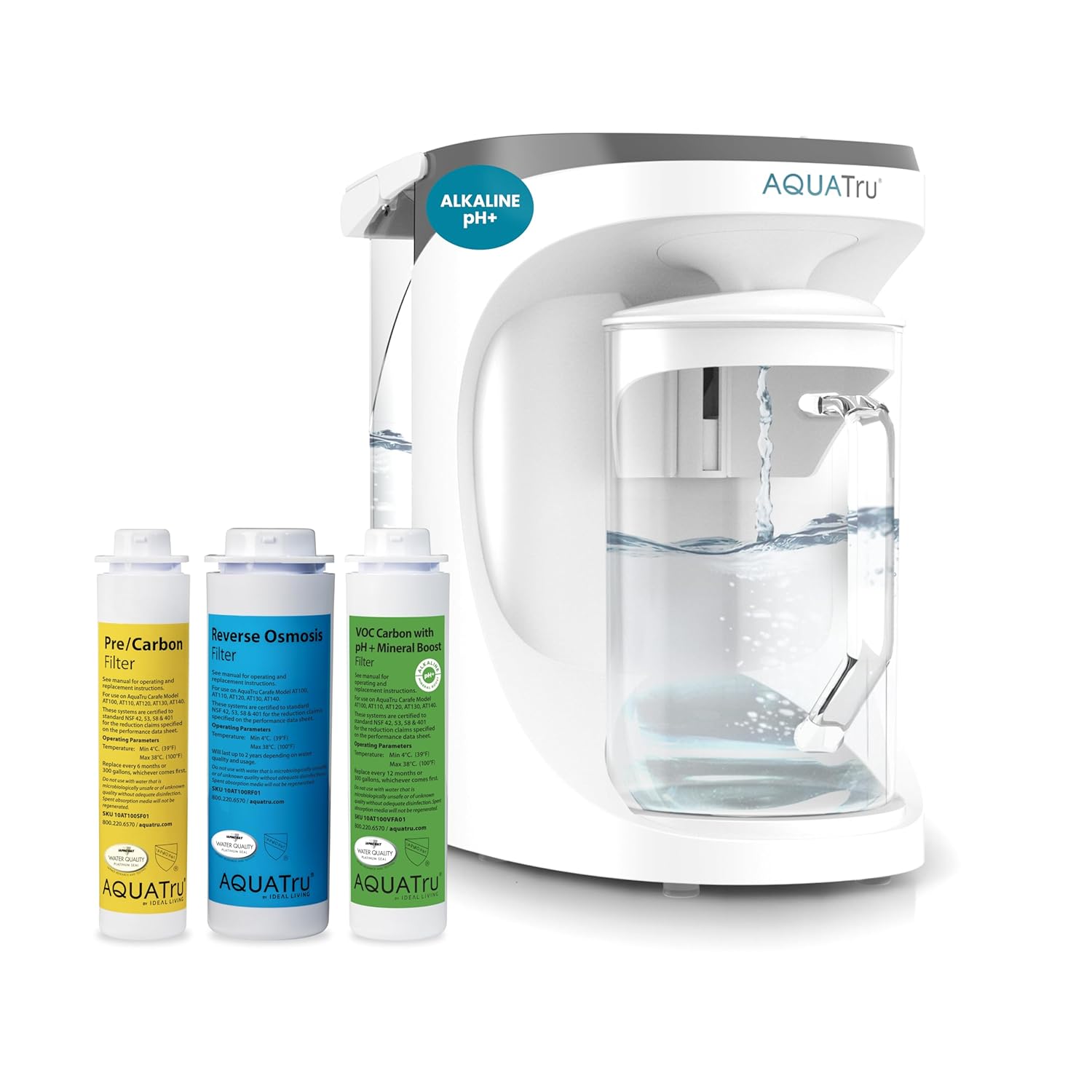
This countertop purifier uses a 4-stage ultra reverse osmosis system certified by IAMPO to NSF standards to reduce 84 contaminants, including PFOA/PFOS, lead, fluoride, chlorine, and microplastics. It delivers up to 64 ounces of purified alkaline water per cycle in a compact glass carafe design. The system adds minerals like calcium and magnesium for balanced taste and hydration, and each filter replaces up to 4,500 plastic bottles. Made from durable, BPA-free Tritan, it offers an efficient and eco-conscious water filtration solution.
2. Berkey Water Filter – No Electricity Needed
Berkey uses gravity. No electricity. No installation. Pour water in the top. It drips through filters into the bottom.
How It Works:
Gravity pulls water through special filters. They remove bacteria, viruses, heavy metals, and chlorine. No electricity needed. No plumbing needed. Filters last for years. You can even filter lake or river water in emergencies.
The Downside:
Regular filters don’t remove fluoride. You need to buy extra fluoride filters to add on. It’s slow because it uses gravity. Takes up counter space.
Best For: Renters, apartments, off-grid living, emergencies
If this fits your situation: The Big Berkey filters 6,000 gallons before replacement ($300-400). Add the PF-2 fluoride filters if you want to remove fluoride ($60-80). Available on Amazon.

The 2.25-gallon Big Berkey System is a countertop gravity-fed filter that transforms tap water into great-tasting drinking water for everyday use, cooking, and beverages. It includes authentic Black Berkey Elements (BB9-2), independently tested by accredited third-party labs to reduce over 250 contaminants commonly found in freshwater sources. The system requires no electricity, plumbing, or tools, and each pair of elements filters up to 6,000 gallons, delivering long-lasting, cost-effective water filtration for just pennies per gallon.
3. Carbon Filter – The Cheaper Option
Carbon filters remove chlorine, bad taste, and some contaminants. But they don’t remove fluoride, heavy metals, or drugs. Better than nothing. Not a real solution.
How It Works:
Water passes through activated charcoal. The charcoal traps chlorine and some chemicals. That’s why it makes water taste better. But it can’t catch everything. Fluoride, drugs, and microplastics pass right through.
The Downside:
Doesn’t remove fluoride. Doesn’t remove drugs. Doesn’t remove microplastics. Filters die every 2 months and need replacing.
Best For: Starting point while you save up for a better filter. Upgrade when you can.
If you need something now: Brita or PUR pitchers work and cost $20-40. They’ll remove chlorine and improve taste. Just know you’re not getting full protection.

This 30-cup filtered water dispenser includes a genuine PUR PLUS filter certified to reduce lead, microplastics, chlorine, and over 20 additional contaminants that affect taste and quality. Designed for everyday use, it features a pull-down spout, sturdy handle, leak-resistant design, and a slim profile that fits in the fridge or on the countertop. Each filter lasts up to 40 gallons or about two months, with an indicator light for timely replacement, offering a convenient and cost-effective alternative to bottled water.
Glass Water Bottles – Ditch the Plastic
You filtered your water. Don’t ruin it by putting it in plastic. Plastic leaches chemicals into your water. Use glass.
Why Glass Matters:
Plastic contains chemicals that seep into water. Especially when it sits in the sun or gets warm. Glass is inert. Nothing leaches out. Your water stays clean.
Best For: Carrying filtered water on the go.
Good options: Lifefactory makes 22 oz glass bottles with silicone sleeves ($20-30). Bormioli Rocco makes 1-liter Italian glass bottles with swing-tops ($15-25). Both work well.
How to Start
You don’t have to change everything at once.
Week 1: Get a countertop RO system or Berkey filter. Start drinking clean water. Add trace minerals.
Week 2: Stop buying bottled water. Use glass bottles when you’re out.
Month 2: If you own your home and want clean water everywhere, get a whole-house filter.
The Real Cost
Bottled Water:
- $5/day = $1,825/year
- $18,250 over 10 years
- Plus plastic waste and microplastics in your body
Countertop RO System:
- $400-500 to start
- $50-100/year for new filters
- $900-1,500 over 10 years
- Zero plastic waste. Clean water for life.
Health is an investment. Clean water costs less in the long run.
Common Questions
Does boiling water remove fluoride?
No. Boiling kills bacteria. But it actually makes fluoride and heavy metals more concentrated.
What about alkaline water?
It’s a marketing trick. Your stomach is super acidic (pH 1.5-3.5). Alkaline water doesn’t change your body’s pH. Just get clean water and add minerals.
Do I need to add minerals back to RO water?
Yes. RO removes everything, including good minerals. Add trace mineral drops or a pinch of sea salt.
What’s the best option if I rent?
Countertop RO (AquaTru) or Berkey. No installation needed. Take it with you when you move.
Here’s the Thing
If you care about your health, you should care about all of it. You wouldn’t eat the cleanest diet in the world and then drink contaminated water. That’s like dressing in your best outfit and wearing dirty shoes.
If you’re eating healthy, training hard, and sleeping well, why would you drink poisoned water?
Your ancestors drank from springs. Clean water. Full of minerals. Alive. You’re drinking recycled wastewater with chlorine added.
Stop drinking from the tap. Get a real filter.
Start with one good filter. Use it for a month. You won’t go back.
Want the Complete Framework?
This is just one piece. If you want the full system for aligning your life with your biology—nutrition, movement, sleep, stress, community, purpose—check out The Ancestral Blueprint.
Seven pillars. Real science. Real results.
Some links are Amazon affiliate links. If you buy through them, I earn a small commission at no cost to you. I only recommend what I actually use.