
Fat is not the enemy. Your body depends on high quality fats for hormones, brain health, energy, and stable metabolism. The real issue is the type of fat you eat. Natural fats like butter, ghee, tallow, olive oil, and avocado oil support your biology. Modern industrial seed oils such as canola, soybean, corn, safflower, sunflower, and vegetable oil do the opposite.
Understanding the difference between healthy fats and industrial oils is one of the simplest ways to improve how you feel. This is a core idea in ancestral nutrition because it explains why people often experience clearer skin, better energy, and fewer cravings when they ditch seed oils and return to natural fats.
Why Natural Fats Support Your Body Better
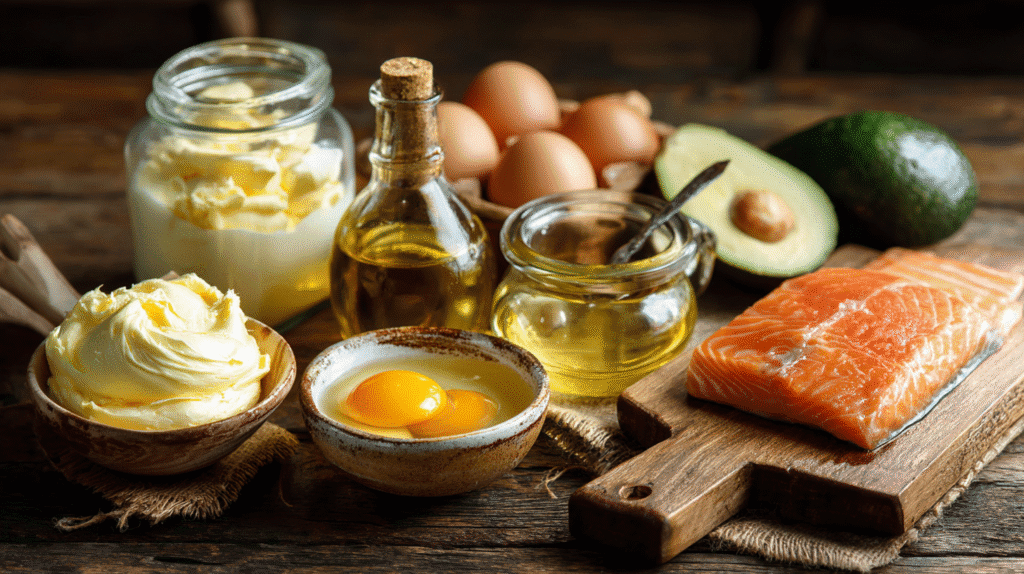
Your body knows how to use natural fats. These fats contain the fatty acids humans have eaten for thousands of years. They are stable, nourishing, and easy to metabolize. Butter, ghee, tallow, and other animal fats contain saturated and monounsaturated fats that support hormone production, brain function, and cell structure.
Olive oil and avocado oil offer antioxidants and heart healthy monounsaturated fats. When sourced well and used properly, these oils complement natural animal fats and provide clean, stable energy.
Healthy fats are not inflammatory when consumed as whole, minimally processed foods. They are simply fuel from nature.
What Makes Industrial Seed Oils a Problem
Industrial oils are not traditional foods. They require heavy mechanical processing, chemical solvents, bleaching, deodorizing, and extremely high heat to turn seeds into oil. This process damages the fats and generates unstable compounds the body does not handle well.
Seed oils are high in omega 6 polyunsaturated fats, which become unstable under heat and contribute to oxidative stress. Many people in the ancestral nutrition world explain that excessive omega 6 intake can overwhelm the body’s ability to balance inflammation.
The average modern diet contains far more omega 6 fats than the body is designed to process. This imbalance contributes to inflammation, metabolic issues, and energy instability.
How These Oils Affect Your Metabolism
Natural fats burn cleanly and support stable metabolism. Seed oils burn hot, oxidize quickly, and create metabolic stress. When your body tries to use industrial oils for energy, the unstable fats can damage cells and increase inflammation.
People often describe feeling sluggish, inflamed, or bloated after eating foods fried in seed oils. When they switch to natural fats, they notice steadier energy, clearer skin, improved digestion, and better mental focus.
Your metabolism is designed to work with stable fats, not chemically processed ones.
Healthy Fats That Belong in an Ancestral-Style Diet
These fats support energy, hormones, and overall wellness.
Grass fed butter
Ghee
Tallow and beef fat
Duck fat
Olive oil
Avocado oil
Egg yolks
Fatty fish such as salmon or sardines
Fats I cook with daily:

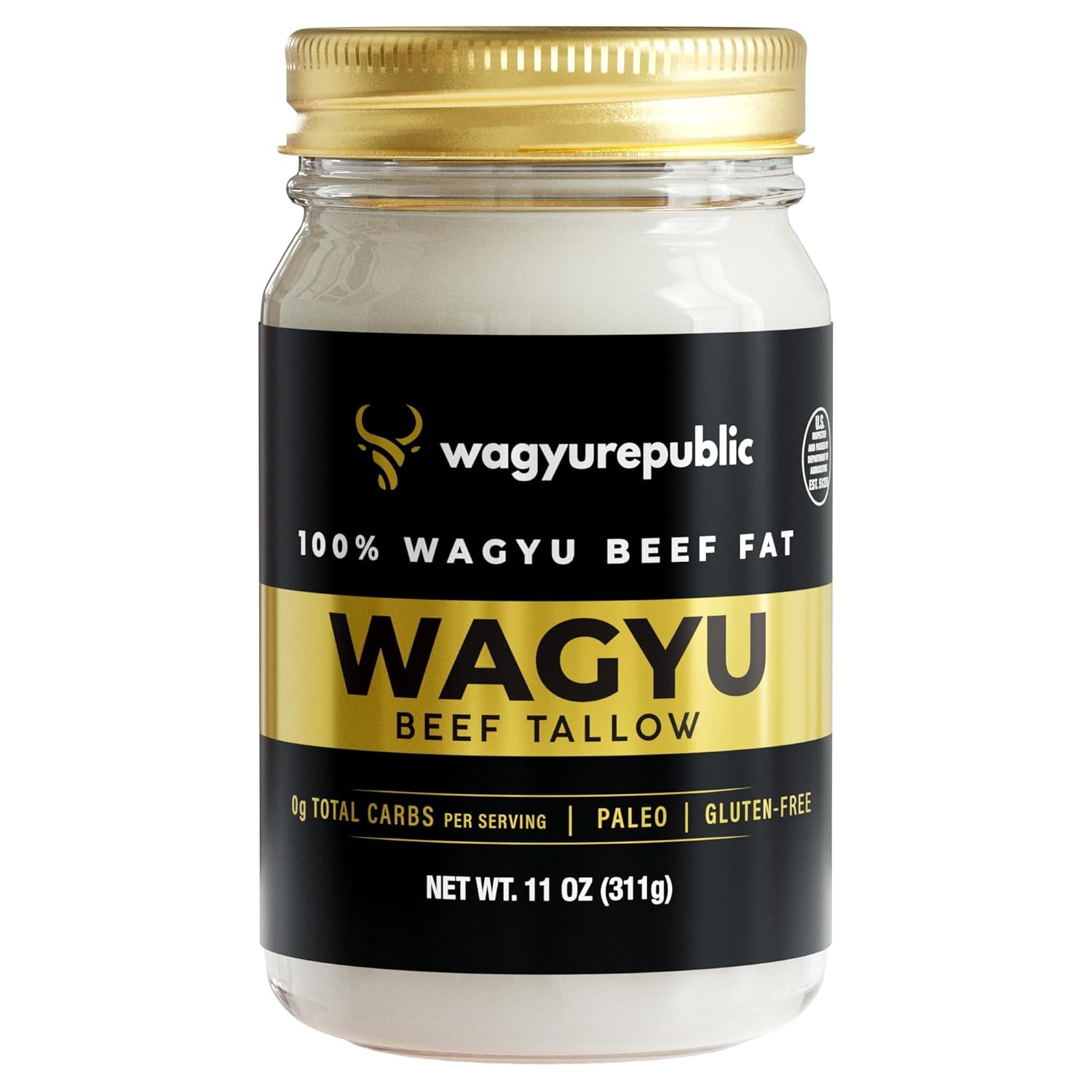
These fats digest easily and contain essential nutrients such as vitamin A, vitamin K2, DHA, EPA, and choline.
Fats to Avoid in a Healthy Diet
These oils are unstable and heavily processed.
Canola oil
Soybean oil
Corn oil
Vegetable oil blends
Safflower oil
Sunflower oil
Grapeseed oil
Rice bran oil
These oils appear in nearly all packaged snacks and fast food, which is one reason many people feel better when they reduce ultra processed foods.
Why People Notice a Difference When They Switch Fats
One of the fastest improvements people experience on an animal based or ancestral style diet comes from removing seed oils. Many describe clearer skin, better digestion, improved mood, and increased energy, even without making any other changes.
Healthy fats help stabilize appetite and cravings. They provide clean fuel that supports the brain and reduces inflammation. This helps explain why people often feel lighter, calmer, and more focused when they replace industrial oils with natural fats.
How to Transition to Healthy Fats
Start with simple swaps.
Cook with butter, ghee, or tallow instead of vegetable oil
Use olive oil or avocado oil for cold dishes and low heat cooking
Choose snacks made without seed oils
Avoid fried fast foods cooked in industrial oils
Read ingredient labels and look for hidden seed oils
When eating out, choose grilled or baked options instead of fried
These small changes create big shifts in energy and overall wellness.
A Simple Takeaway
Healthy fats come from whole foods and support your body the way nature intended. Modern industrial oils come from factories, not farms. When you choose fats your biology understands, your energy becomes steadier, your digestion improves, and inflammation decreases.
Returning to natural fats is one of the most impactful changes you can make for metabolic and overall health.
Frequently Asked Questions
Are all vegetable oils unhealthy
Most highly processed seed oils are unstable and inflammatory. Oils like olive oil and avocado oil are better options when sourced well.
Are saturated fats bad for you
Natural saturated fats from whole foods support hormones, cell structure, and energy. The context of the whole diet matters more than the isolated fat.
What is the healthiest fat to cook with
Tallow, ghee, and butter are stable for high heat cooking, while olive oil and avocado oil are ideal for low heat or cold uses.
Are seed oils really that bad
Many people notice a significant improvement in energy and digestion when they remove seed oils. The high omega 6 content and industrial processing make them hard for the body to handle.
Sources
Choe, E., & Min, D. B. Stability of Seed Oils. Journal of Food Science (2007).
Simopoulos, A. Omega-6/Omega-3 Ratio and Inflammation. Biomedicine & Pharmacotherapy (2002).
Nagao, K., & Yanagita, T. Oxidized Fats and Metabolic Effects. Bioscience, Biotechnology, and Biochemistry (2005).
Ghazani, S., & Marangoni, A. Seed Oil Refining Processes. Journal of the American Oil Chemists’ Society (2013).
Zhang, Q., et al. Oil Stability Under High Heat. Food Chemistry (2021).
German, J., & Dillard, C. Natural Saturated Fats. American Journal of Clinical Nutrition (2004).
Covas, M. Olive Oil Antioxidants. Pharmacological Research (2007).
Calder, P. Biological Roles of Fatty Acids. JPEN (2015).
Alvheim, A., et al. Linoleic Acid and Oxidative Stress. British Journal of Nutrition (2012).
Cordain, L., et al. Ancestral Fat Consumption. European Journal of Clinical Nutrition (2002).
Leave a Reply