
Organ meats are some of the most nutrient dense foods on the planet, yet they are often overlooked in modern diets. Throughout human history, people naturally ate nose to tail, using every part of the animal for nourishment. Today, many people are rediscovering these traditional foods because of how much they support energy, hormones, immunity, and overall metabolic health.
Organ meats provide rare nutrients that muscle meat alone cannot offer. Even small servings can make a major difference in how you feel. This is one reason nose-to-tail eating is such an important part of ancestral nutrition.

Why Organ Meats Are the Most Nutrient-Dense Foods on Earth
Organ meats contain concentrated amounts of vitamins and minerals that support vital functions in the body. These nutrients are highly bioavailable, meaning your body absorbs and uses them efficiently.
Liver provides retinol vitamin A, B12, folate, copper, choline, and iron.
Heart provides CoQ10, B vitamins, zinc, and bioavailable iron.
Kidney provides selenium and omega 3 fatty acids.
Spleen provides heme iron and immune-supportive peptides.
Bone marrow provides collagen precursors and healthy fats.
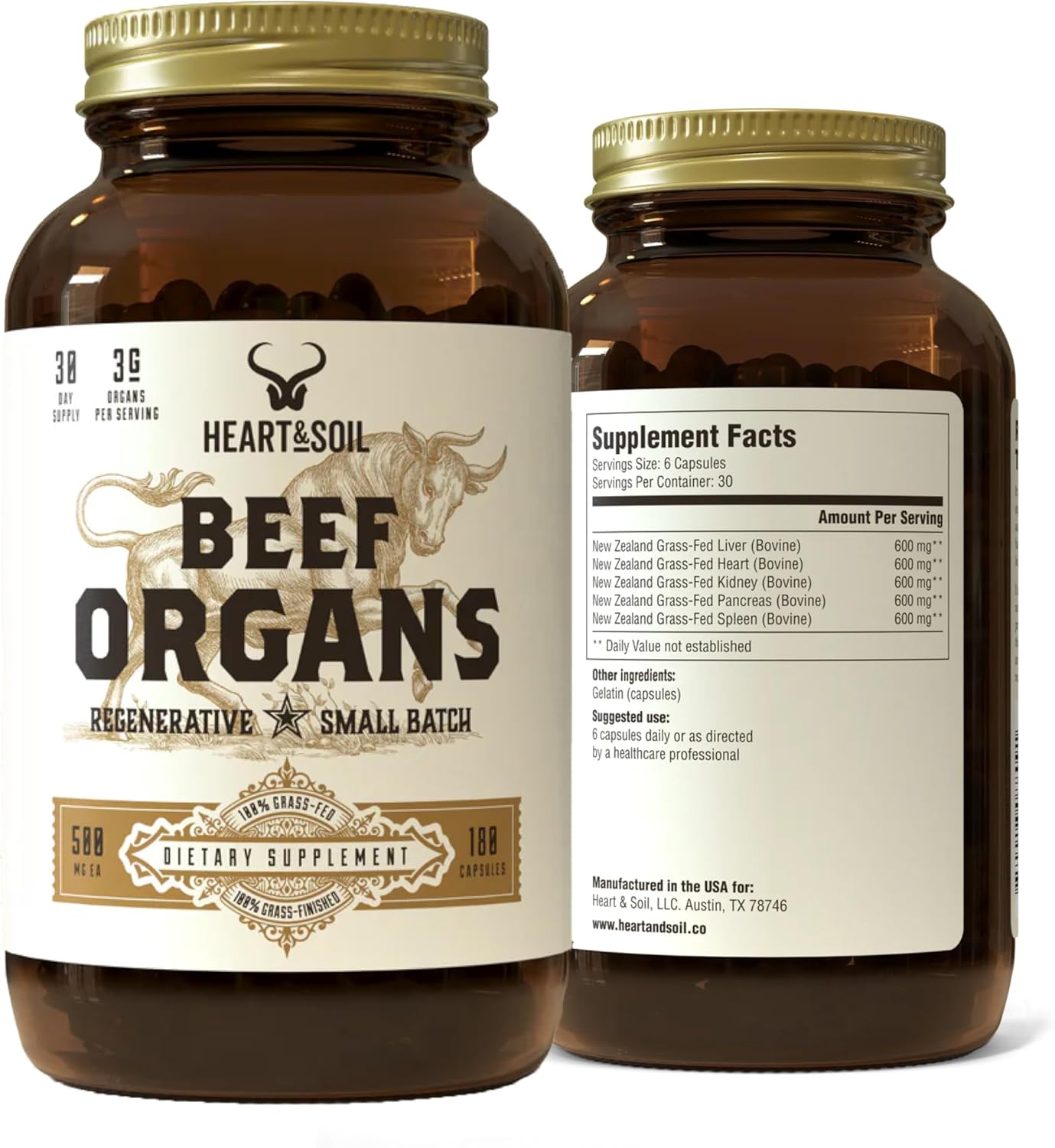
Check out Heart & Soil if you have trouble incorporating organs into your diet
These nutrients support cellular energy, detox pathways, red blood cell formation, hormone balance, and immune function. Very few modern foods deliver this level of nourishment in such small servings.
Why Nose-to-Tail Eating Is Part of Human Biology
For most of human history, organ meats were prized above all other foods. They were eaten fresh, shared within families, and considered the most energizing part of the animal. This is because the body instinctively recognizes the nutritional power of organs.
Nose-to-tail eating respects the natural design of the animal and provides a full spectrum of nutrients that help the human body function at its highest level. When people eat only muscle meat, they miss out on many micronutrients the body needs for optimal health.
Benefits People Notice When They Add Organ Meats
Many people report a noticeable change in their health when they include organ meats regularly. Common improvements include better energy, clearer skin, improved nutrient status, stronger immunity, and deeper sleep. These changes often happen quickly because organ meats fill in nutrient gaps that modern diets tend to lack.
Even one to two servings per week can create meaningful benefits.
How Organ Meats Support Hormones and Metabolism
Organ meats contain vitamins and minerals involved in hormone production, metabolic health, and mitochondrial function. Nutrients like B12, folate, vitamin A, zinc, and copper play important roles in thyroid function, fertility, adrenal balance, and overall hormonal stability.
When these nutrients are missing, the body compensates by increasing stress hormones. When they are restored, metabolism and energy begin to stabilize.
Simple Ways to Add Organ Meats Into Your Diet
You do not need to eat large portions to feel the benefits. Here are easy ways to include them.
Cook small pieces of liver mixed with ground beef
Pan fry heart like steak
Add kidney to stews or soups
Use bone marrow in broths or spread on cooked meat
Choose high-quality organ supplements if you prefer capsules or powders
Try organ blends that mix liver with ground beef for easier flavor
These methods help you ease into nose-to-tail eating without feeling overwhelmed.
Why Organ Supplements Are a Useful Option
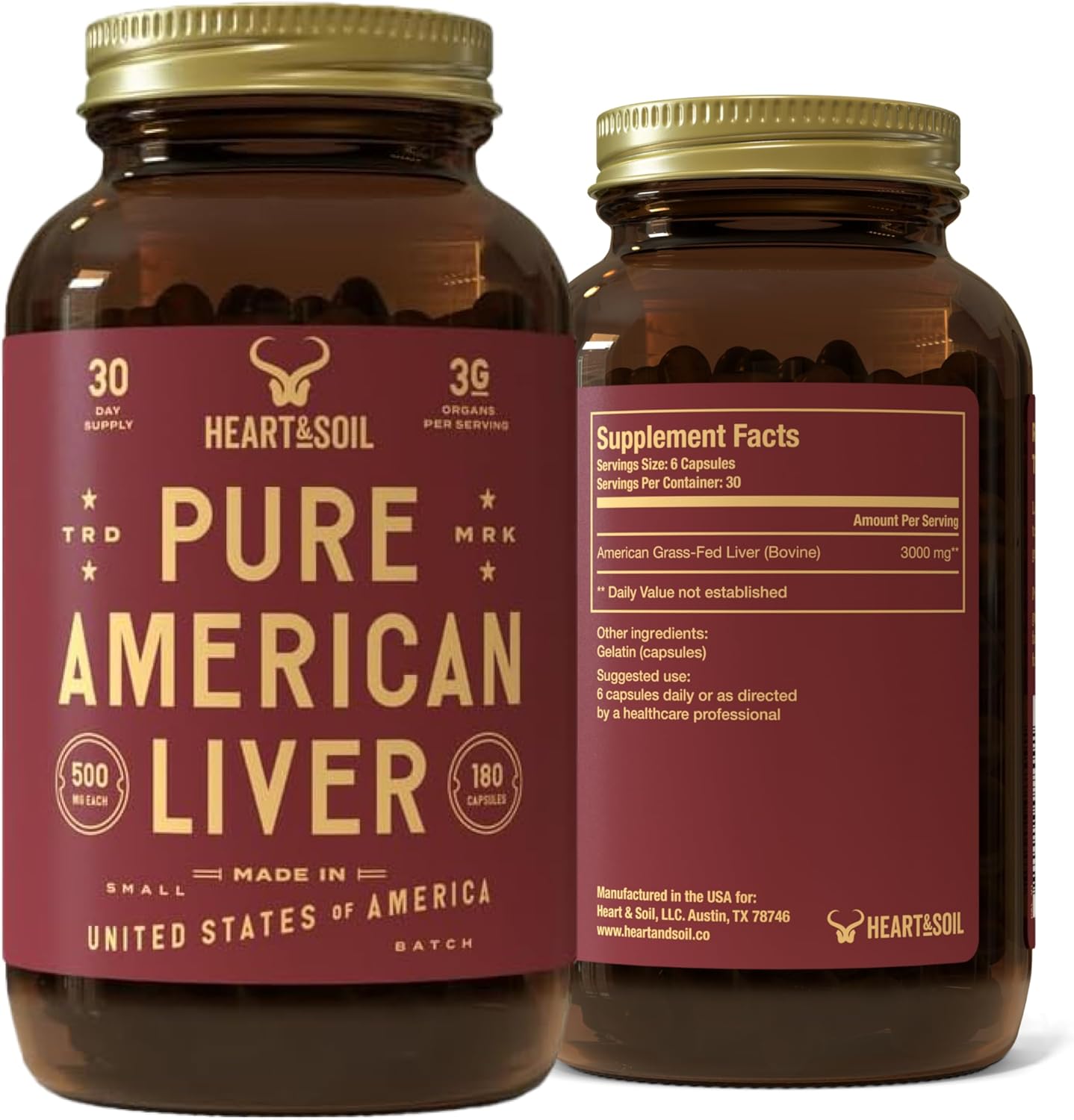
Some people do not enjoy the flavor of organ meats, and that is okay. Organ supplements made from freeze-dried animal organs offer a simple way to get the nutrients without the taste. Brands that focus on ancestral nutrition offer high-quality options sourced from grass-fed animals. These supplements provide a convenient way to support nutrient status, especially for people with busy schedules or limited access to fresh organs.
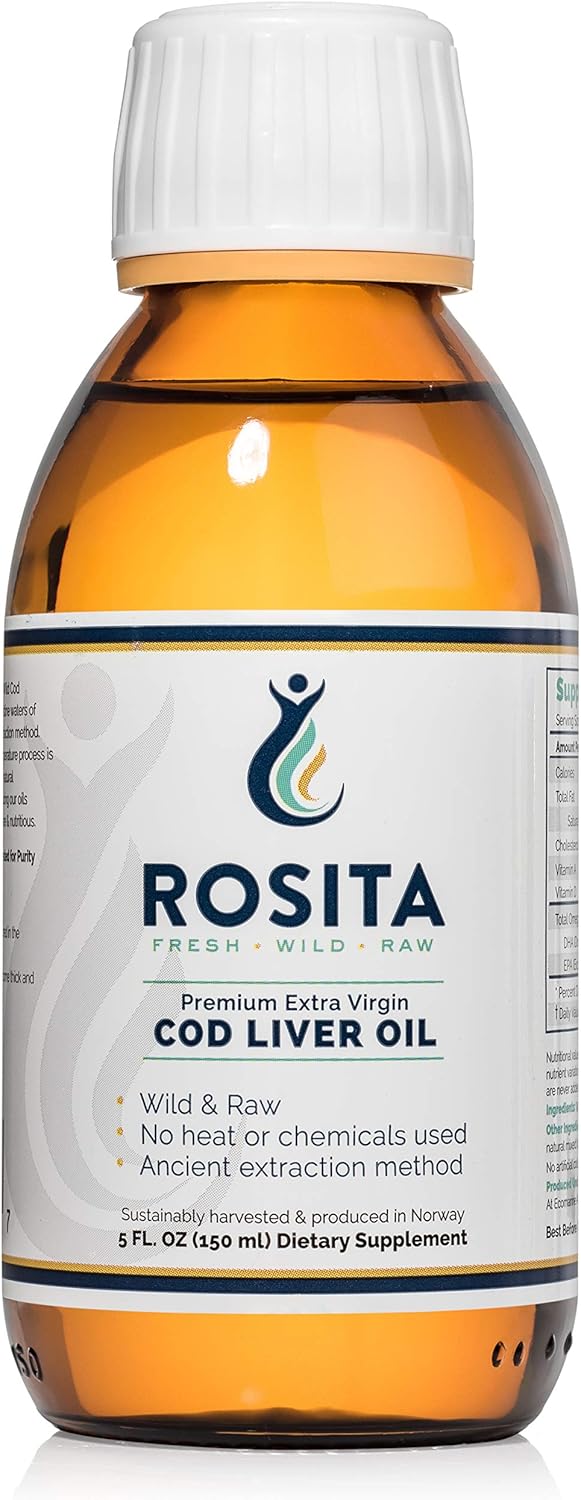
Notable Nutrient Dense source for seafood Lovers: Cod Liver Oil
A Simple Takeaway
Organ meats are nutrient powerhouses that support energy, immunity, hormones, and metabolism. Nose-to-tail eating is not a trend. It is a return to what humans have always eaten. When you include organ meats in small but consistent amounts, your body receives the building blocks it needs to function optimally.
These foods align with human biology and remain a core pillar of ancestral nutrition.
Frequently Asked Questions
Do I need to eat organs every day
No. Even one or two servings per week can make a noticeable difference.
Are organ meats safe
Yes, when sourced from healthy grass-fed animals. They are some of the most nutrient-dense foods available.
What organ meat should I start with
Liver is the most nutrient rich and easiest to integrate into meals.
Are organ supplements effective
Yes. Freeze-dried organ supplements provide whole-food nutrients and are a helpful option if you do not enjoy the taste of cooked organs.
Heart & Soil Organ supplements – highest quality and easiest way to get organs into your diet right away
Sources
Otten, J. J., et al. Dietary Reference Intakes. National Academies Press (2006).
Leroy, F., & Cofnas, N. Nutrient Density of Animal Source Foods. Animal Frontiers (2020).
Jing, Y., et al. CoQ10 Levels in Animal Tissues. International Journal of Food Properties (2015).
Rayman, M. Selenium and Human Health. The Lancet (2000).
Hurrell, R., et al. Heme Iron Bioavailability. American Journal of Clinical Nutrition (2010).
Druce, M., et al. Collagen Precursors in Bone Broth. Journal of Renal Nutrition (2018).
Cordain, L., et al. Evolution of the Human Diet. American Journal of Clinical Nutrition (2005).
Penniston, K., & Tanumihardjo, S. Vitamin A in Liver. American Journal of Clinical Nutrition (2006).
Williams, P. Nutritional Comparison of Red Meat and Organs. Nutrition & Dietetics (2007).
Wrangham, R. Catching Fire: How Cooking Made Us Human. Basic Books (2009).
Allen, L. Roles of B12, Folate, and Micronutrients. Food and Nutrition Bulletin (2008).
Leave a Reply