
Most people are overfed and under nourished. Not because they are not eating enough, but because so much of what they eat is built from ultra processed ingredients that the body does not recognize as real food.
Simple foods flip that. When you build meals from meat, eggs, dairy, fruit, clean fats, and mineral rich salt, your body gets what it actually needs without a lot of extras it has to fight through.
This is not about perfection or extremes. It is about stripping meals back to real food so your digestion, energy, and appetite have a chance to calm down.

What We Mean By “Simple Foods”
When We say simple foods, I am talking about foods that are close to their natural state, with short ingredient lists you can pronounce.
Think:
- Beef, bison, lamb, pasture raised chicken
- Eggs
- Raw or minimally processed dairy if you tolerate it, milk, cheese, yogurt, cottage cheese
- Wild caught fish
- Fruit, fresh, whole, not juiced
- Raw and unfiltered honey
- Mineral rich salt
- Clean cooking fats, butter, ghee, Tallow
Simple foods are not:
- Seed oils, canola, soybean, corn, sunflower blends
- Packaged snacks with long ingredient lists
- Protein bars that look like candy
- Sugary breakfast cereals
- Sauces loaded with sugar, gums, and oils
Simple does not mean boring. It means the main part of your meal is real food your body knows how to work with.
Why Simple Foods Often Feel Better
When you eat a long ingredient list, your body has to sort through all of it. Various additives, stabilizers, industrial fats, and refined sugars ask your digestion to do more work for less nutrient return.
When you eat simple food, most of that noise goes away. You are left with:
- Better protein quality
- Easier to digest carbohydrates from fruit and honey
- Natural fats that support hormones and energy
- Minerals and vitamins that come packaged in real food
Many people report that when they strip their meals down to simple animal based and whole foods, they notice:
- Fewer random cravings
- More predictable hunger
- Less feeling “puffy” after meals
- A steadier sense of energy across the day
Not because simple foods are magic, but because irritation and confusion go down, and real nutrition goes up.
How To Build Simple Meals Without Overthinking
Here is a basic structure you can use for almost any meal.
Step 1, Pick your protein
Ground beef, steak, eggs, salmon, sardines, chicken thighs, lamb.
Step 2, Choose a cooking fat
Butter, ghee,Tallow. These work well in Cast iron or Stainless steel pans.
Step 3, Add clean carbs if you want them
Fruit like pineapple, berries, mango, apples, grapes. Raw honey if you enjoy it. Optional white rice or sourdough bread if they feel good for you.
Step 4, Season with real salt
Use a mineral rich salt so you get sodium along with trace minerals.
That is it. No need for ten ingredients per plate. If you get bored, change the protein, change the fruit, change the way you cook it, but keep the structure the same.
Examples Of Simple Meals You Can Rotate
These are the kind of meals that fit into the 7 Day Reset and beyond.
Breakfast ideas
- Ground beef and eggs with berries, cooked in butter, topped with mineral rich salt
- Whole milk yogurt with raw honey and strawberries, with a side of scrambled eggs
- Leftover steak with a sliced apple and a small piece of raw cheese
Lunch ideas
- Cast iron steak with pineapple on the side
- Wild caught salmon cooked in butter with a bowl of mixed fruit
- Chicken thighs with mango and a little white rice if it feels good for you
Dinner ideas
- Burger patties with cheese and grapes
- Ground beef with cottage cheese and berries
- Lamb chops cooked in tallow with melon afterward
You can build almost every meal from one protein, one fat, and one simple carb source. The more you repeat this, the less decision fatigue you feel.
Why Cooking Method Matters Too
Simple foods still get ruined when they are cooked in low quality oils or with cookware that breaks down under high heat.
For most people, a basic setup looks like this:
- Use cast iron or Stainless steel pans for high heat cooking
- Use glass or stainless steel for storage when possible
- Avoid non stick pans for repeated high heat use
- Avoid plastic utensils on hot surfaces

Lodge Cast Iron Skillet
A durable cast iron skillet that delivers even heating and excellent searing for meats, vegetables, and everyday cooking. Built to last for generations, it’s a reliable, chemical-free alternative to modern nonstick pans.

Made in cookware stainless steel Pan
Product Features
This keeps you closer to a clean, ancestral style approach, even in a modern kitchen.
If you want to go further, you can also:
- Choose grass fed or pasture raised meats when it fits your budget
- Use raw or low processed dairy where legal and available
- Look for raw and unfiltered honey
Start with what is realistic for you right now. You do not have to upgrade everything at once.
How To Shift From Complicated Eating To Simple Eating
If your current meals rely heavily on takeout, boxes, and packaged snacks, you do not have to overhaul your life overnight. You can phase toward simple foods in a few steps.
Step 1, Simplify one meal per day
Pick breakfast or dinner and rebuild it around meat, eggs, dairy, and fruit.
Step 2, Replace one processed snack
Swap a bag of chips or cookies for fruit and raw cheese, or yogurt with honey.
Step 3, Look at labels without stress
If the ingredient list feels long, ask yourself if there is a simpler option you would still enjoy.
Step 4, Notice how you feel, not just how it looks on paper
If a simple meal makes you feel steady and satisfied, that is a useful signal.
Over time, more and more of your day can be made of simple foods instead of complicated ones.
Optional Support, Minerals, Organs, And Convenience
Real food comes first. After that, some people like to use convenience tools that fit this way of eating.
Examples include:
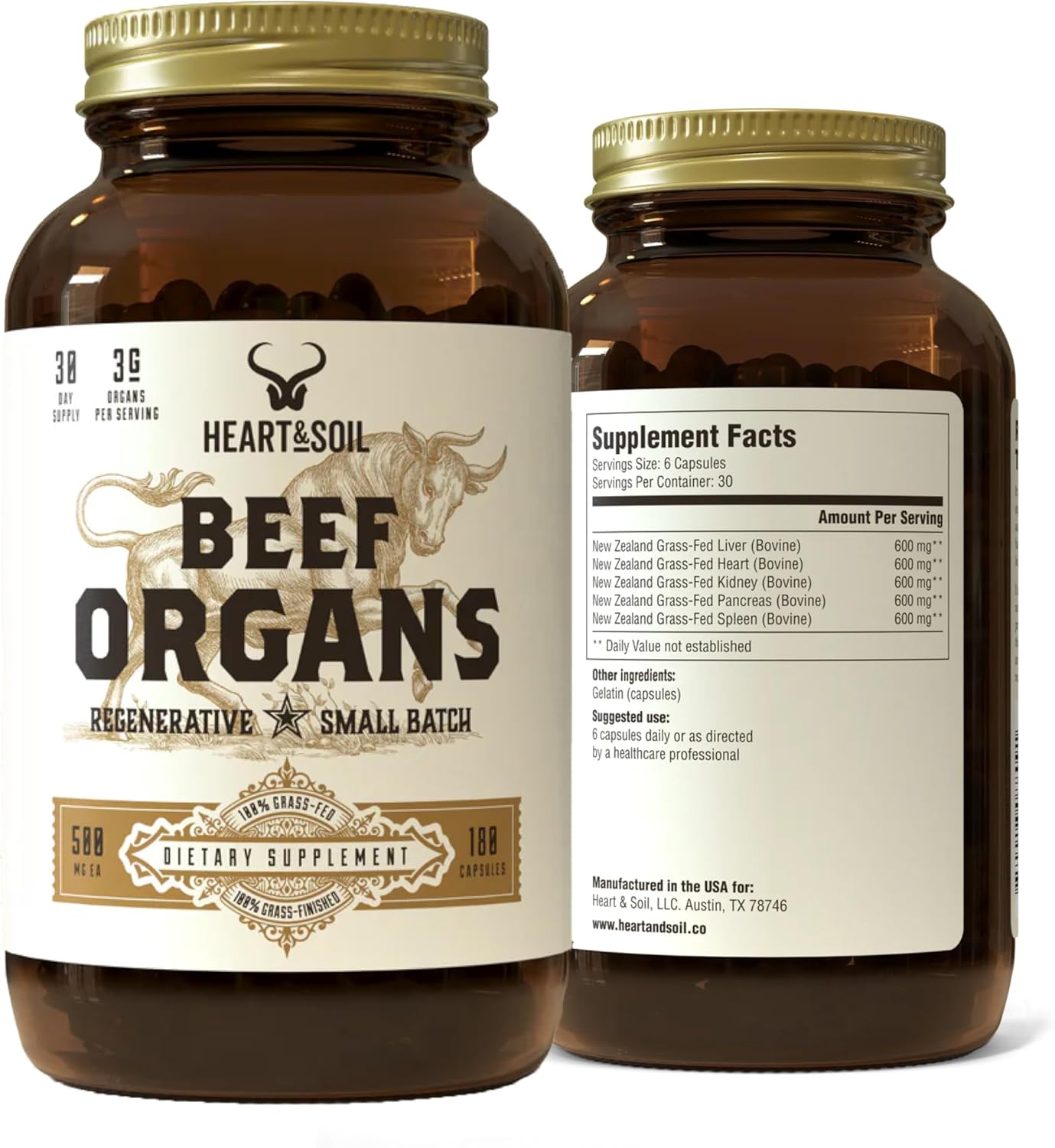
- Whole food based organ supplements if you do not enjoy cooking organ meats
- Electrolyte drops or trace mineral concentrates if you sweat heavily or drink a lot of water
- Raw honey as a natural sweetener instead of processed table sugar
- Heavy duty cast iron or Stainless steel pans that last for years
These are optional. They can support your routine, but they do not replace building meals from real food.
You can look for products that keep ingredients minimal and stay close to what you would recognize in a normal kitchen.
A Simple Takeaway
Most people do not need more rules. They need fewer inputs that fight against how their body is built.
Simple foods work with your biology instead of working against it. Meat, eggs, dairy, fruit, mineral rich salt, and clean fats can form the base of meals that feel calm and steady instead of chaotic.
You do not have to be perfect to feel a difference. Start with one meal, one swap, one step toward simple.
Frequently Asked Questions
Do I have to eat the same meals every day
No. You can rotate proteins and fruits while keeping the same simple structure. Repeating meals is fine if it helps you stay consistent.
Do I need to cut out all processed foods right away
Not necessarily. You can start by reducing them and adding more simple foods first. Many people do better with gradual changes.
What if I do not tolerate dairy
You can focus on meat, eggs, fish, fruit, and clean fats. Dairy is optional. If you want to test it, start with small amounts and pay attention to how you feel.
Can simple foods work with an animal based style of eating
Yes. An animal based approach is built around meat, organs, dairy if tolerated, fruit, and honey. All of these can be used as simple food foundations.
Sources
Hall, K. D., et al. Ultra-Processed Diets and Appetite Regulation. Cell Metabolism (2019).
Leroy, F., & Cofnas, N. Nutritional Benefits of Animal Source Foods. Animal Frontiers (2020).
Leidy, H. J., et al. Protein Intake and Satiety. American Journal of Clinical Nutrition (2015).
Fardet, A. Minimally Processed Foods and Satiety. Food & Function (2016).
Monteiro, C. A., et al. Ultra-Processed Foods and Dietary Complexity. Public Health Nutrition (2018).
Scherr, C., et al. Metabolic Effects of Different Fat Types. Lipids (2015).
Santoro, A., et al. Nutrient Intake and Gut Health. Nutrients (2018).
Slavin, J. L. Carbohydrates and Digestive Health. Nutrients (2013).
Shah, A. K., & Oppenheimer, D. M. Decision Fatigue and Choice Overload. Psychological Bulletin (2008).
Leave a Reply