
Table of Contents
- What Nutrient Density Really Means
- Why Animal Foods Deliver More Bioavailable Nutrition
- The Most Nutrient-Dense Animal Foods
• Beef Liver
• Oysters
• Egg Yolks
• Grass-Fed Beef Cuts
• Bone Broth
• Wild Fish and Cod Liver Oil
• Raw Honey - Why Absorption Matters More Than Quantity
- How to Build a Nutrient-Dense Ancestral Plate
- FAQs
- Conclusion
- Sources

1. What Nutrient Density Really Means
When we talk about nutrient density, we’re really talking about foods that deliver a high concentration of essential vitamins, minerals, healthy fats, and amino acids in every bite. The part most people overlook is bioavailability, the body’s actual ability to absorb and use those nutrients.
This is where animal foods naturally rise to the top. They contain nutrients in forms your body already recognizes and can use efficiently. They are not competing with compounds like phytates and oxalates that can reduce absorption in certain plant foods. The point isn’t that plants are bad, but that animal foods deliver nutrients in a more direct, ready-to-use form. <br>
2. Why Animal Foods Deliver More Bioavailable Nutrition
Animal-based foods contain fully formed vitamins like retinol, B12, and vitamin D, along with heme iron, complete amino acids, and long-chain omega-3s such as EPA and DHA. These nutrients are present in forms the body absorbs easily.
Plant foods can offer incredible value too, but some nutrients in plants require conversion before the body can use them, and certain natural plant compounds can reduce absorption of key minerals. This is simply how human digestion works. It does not make one food good or bad, it just explains why many people feel more nourished when their meals are centered around high-quality animal foods.
3. The Most Nutrient-Dense Animal Foods
Let’s break down the foods that consistently show up at the top of nutrient density charts and in nutritional research.
Beef Liver
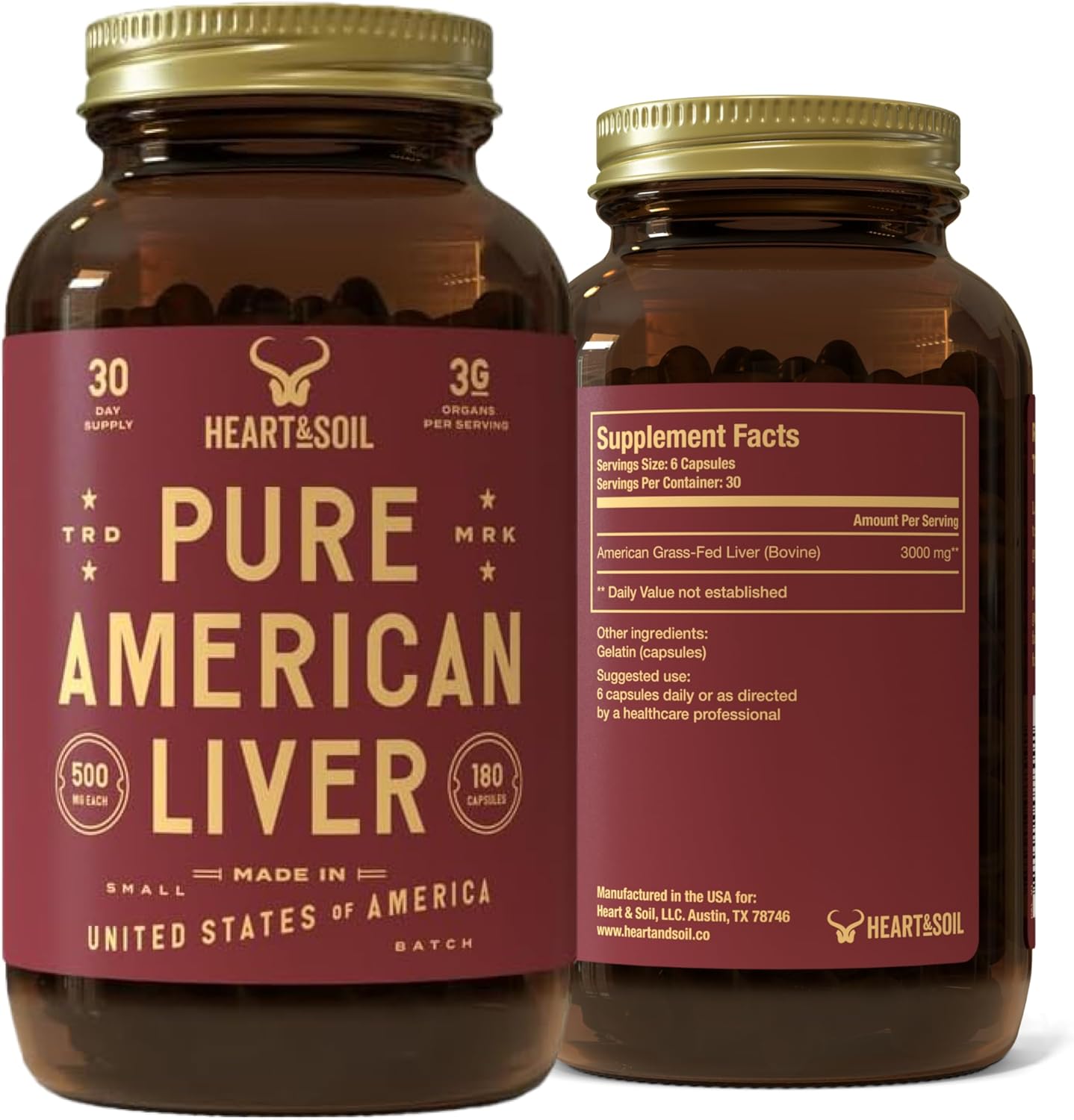
Beef liver delivers retinol, B12, folate, choline, iron in the heme form, copper, and CoQ10. These nutrients appear in high concentrations, and the body can use them efficiently. Retinol from animal foods does not require conversion, which is one reason beef liver shows up so often in nutrition research.
Many people prefer freeze-dried beef liver capsules as an easier way to incorporate liver into their daily routine. And organs are best consumed raw for their high nutrient density.
Oysters
Oysters provide zinc, copper, selenium, B12, omega-3 fatty acids, and iron. They are one of the richest natural sources of zinc in the human diet. Because zinc is bound to proteins in oysters rather than fiber or phytates, it tends to be absorbed efficiently.
Oysters have been treasured for centuries for their mineral content and remain one of the cleanest whole-food sources available.
Egg Yolks
Egg yolks supply choline, vitamin A, vitamin D, vitamin K2, DHA, and B vitamins. Choline from eggs is well absorbed, and egg yolks are one of the foods most associated with supporting brain and cellular function because of their natural nutrient profile.
Egg yolks also contain vitamin K2 in the MK-4 form, which is less common in modern diets.
Grass-Fed Beef Cuts
Ribeye, sirloin, ground beef, and other grass-fed cuts supply heme iron, zinc, B vitamins, creatine, and complete amino acids that the body uses for repair and energy. The heme form of iron is absorbed more efficiently than non-heme iron from plant foods, which is why beef is such a dependable source of iron for many people.
Grass-fed beef may also contain a slightly different fatty acid profile than grain-fed beef, including more omega-3s.
Bone Broth
Traditional bone broth provides glycine, proline, glutamine, collagen, and various amino acids that support the body’s structural proteins. Research suggests collagen peptides are absorbed and appear in the body in small peptide forms that may support connective tissues.
Make some at home for yourself with sourced grass-fed bones. otherwise, buy a high-quality broth.

Wild Fish and Cod Liver Oil
Wild-caught fish deliver EPA and DHA, vitamin D, iodine, selenium, and taurine. EPA and DHA are long-chain omega-3s that the body can use directly. Plant omega-3s such as ALA require conversion, and research suggests that only a small percentage converts into EPA or DHA.
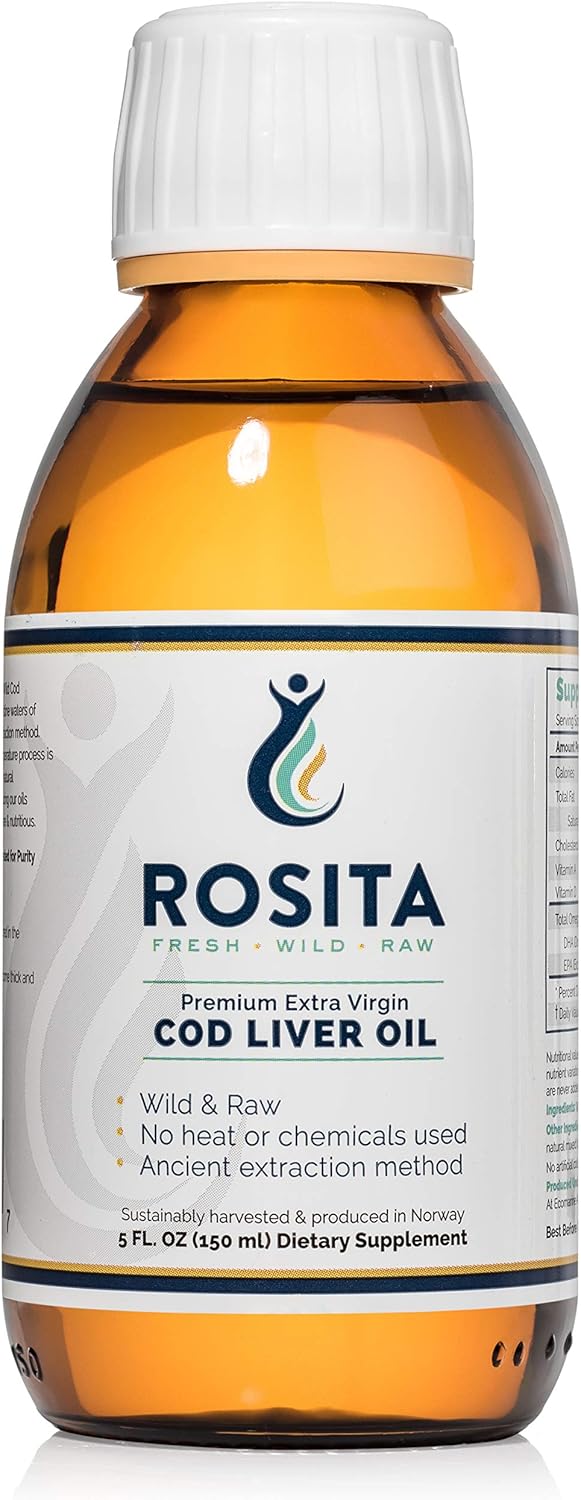
Cod liver oil adds retinol, vitamin D, and more omega-3s in a minimally processed form.
Affiliate suggestion: Rosita Extra Virgin Cod Liver Oil, cold-processed, additive-free, wild-caught, and third-party tested.
Raw Honey
Raw honey provides trace minerals, antioxidants, enzymes, and polyphenols. Although honey is not a nutrient bomb like liver or oysters, it offers a clean, ancestral carbohydrate source that contains naturally occurring compounds that differ from refined sweeteners. Honey Has even been used for wound Healing For thousands of years due to it’s antimicrobial properties.
The best Honey to look for should be raw, unfiltered, glyphosate-free, and sourced from small family beekeepers. Buying local Can Always be a good Option

4. Why Absorption Matters More Than Quantity
This is the part most nutrition conversations miss. The form of a nutrient influences how well your body can use it.
Retinol does not require conversion, while beta-carotene does.
Heme iron is absorbed more efficiently than non-heme iron.
EPA and DHA are ready to use, while ALA requires conversion.
Zinc and other minerals are often absorbed better when they come from animal protein sources.
This is why many nutrient charts look similar on paper, but the real-world experience of eating different foods feels very different.
5. How to Build a Nutrient-Dense Ancestral Plate
Here’s a simple structure to build meals that naturally support nutrient density without making things complicated.
Choose a protein source like grass-fed beef, pasture-raised eggs, or wild-caught fish.
Add a nutrient booster like beef liver, oysters, Bone broth, or Cod liver oil.
Use clean fats like tallow, Butter, Ghee, or egg yolks.
For carbohydrates, add honey or seasonal fruit.
Finish with unrefined sea salt for natural minerals.
Simple foods, simple ingredients, and nourishment that aligns with how humans have eaten for centuries.
FAQs
Do animal foods have unique nutrients
Yes, animal foods contain nutrients like B12, heme iron, DHA, EPA, and active vitamin K2 that are naturally present in their complete forms.
Can you get nutrients from plants too
Absolutely, plants provide important compounds as well, but some nutrients require conversion or are absorbed differently.
Do you need supplements on an animal-based diet
Some people use whole-food supplements for convenience, such as liver or bone broth in capsule form, but needs vary.
Is animal-based eating supported by research
There is research supporting nutrient bioavailability in animal foods. Individual needs always vary. <br>
Conclusion
Animal foods have supported human nourishment for thousands of years, offering highly concentrated nutrients in forms the body can use efficiently. Beef liver, oysters, eggs, grass-fed meats, bone broth, wild fish, and raw honey provide a simple, whole-food foundation rooted in an ancestral approach to eating. These foods do not promise cures or outcomes, but they offer nutrients in their natural, traditional forms, allowing you to build nourishment from the inside out using the most direct sources nature provides.
Sources
National Institutes of Health Office of Dietary Supplements
“Vitamin A, Fact Sheet for Health Professionals.” NIH, 2024, https://ods.od.nih.gov/factsheets/VitaminA-HealthProfessional/.
National Institutes of Health Office of Dietary Supplements
“Iron, Fact Sheet for Health Professionals.” NIH, 2024, https://ods.od.nih.gov/factsheets/Iron-HealthProfessional/.
National Institutes of Health Office of Dietary Supplements
“Zinc, Fact Sheet for Health Professionals.” NIH, 2024, https://ods.od.nih.gov/factsheets/Zinc-HealthProfessional/.
National Institutes of Health Office of Dietary Supplements
“Omega-3 Fatty Acids, Fact Sheet for Health Professionals.” NIH, 2024, https://ods.od.nih.gov/factsheets/Omega3FattyAcids-HealthProfessional/.
U.S. Department of Agriculture
“FoodData Central.” USDA, 2024, https://fdc.nal.usda.gov/.
Hurrell, Richard, and Egon Egli
“Iron Bioavailability and Dietary Reference Values.” American Journal of Clinical Nutrition, vol 91, no 5, 2010, pp 1461S–1467S.
Brenna, J Thomas, et al
“Alpha-Linolenic Acid Supplementation and Conversion to n-3 Long-Chain Polyunsaturated Fatty Acids in Humans.” Prostaglandins Leukotrienes and Essential Fatty Acids, vol 75, 2006, pp 161–168.
Sandström, Brittmarie
“Micronutrient Interactions, Effects on Absorption and Bioavailability.” British Journal of Nutrition, vol 85, 2001, pp S181–S185.
Schmid, Anja, and Andreas Walther
“Natural Vitamin K2 Content of Dairy Products.” Food Chemistry, vol 217, 2017, pp 437–444.
Ishikawa, Shinya, et al
“Absorption and Effectiveness of Orally Administered Collagen Peptide.” Journal of Agricultural and Food Chemistry, vol 63, 2015, pp 9719–9727.
Kamal, Muhammad Amir, and Fouad H Abou-Zaid
“Antioxidant Components of Honey and Their Role in Health.” Food Chemistry, vol 267, 2018, pp 214–223.
Leave a Reply